37 Malcolm RD, Braeside, VIC
Hydraulic Tipper & Heavy Equipment Trailer Guide
27 April 2026 | roshartrailers
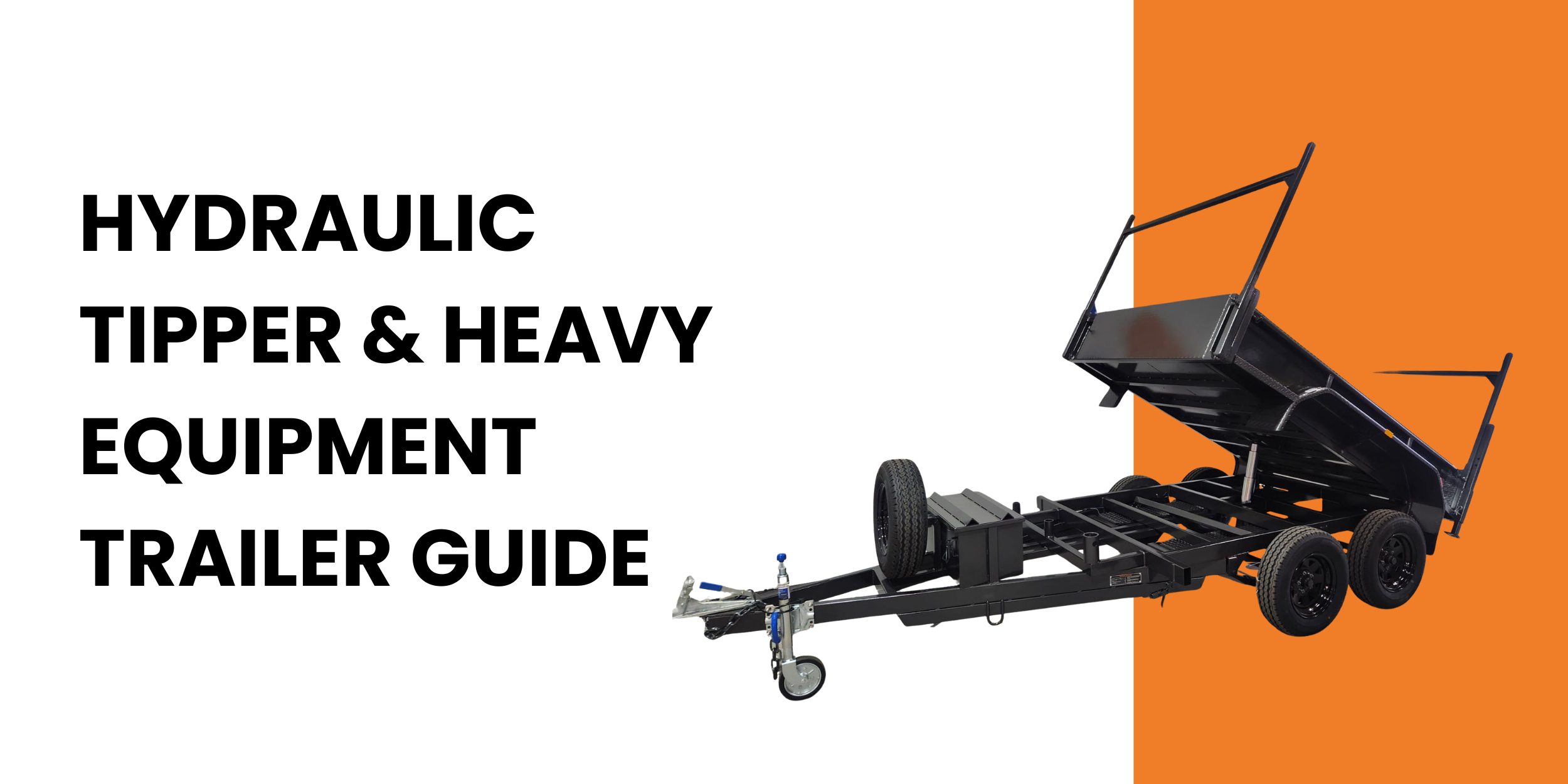
Built for Bulk Loads, Machinery Transport, and Demanding Worksites
Hydraulic tipper and heavy equipment trailers are built for one purpose — handling serious work. Whether it’s transporting construction materials, moving machinery between sites, or managing bulk loads efficiently, these trailers are essential across Australian industries.
From hydraulic tipping systems that simplify unloading to reinforced machinery trailers designed for stability and load security, choosing the right setup directly impacts productivity and safety.
This guide brings together everything you need to understand before selecting a trailer, including types, use cases, and key buying considerations.
Understanding Hydraulic Tipper Trailers
Hydraulic tipper trailers are designed to carry loose materials such as soil, gravel, sand, and debris, with a built-in hydraulic system that lifts the tray for quick unloading.
Instead of manual labour, the tipping mechanism allows operators to unload materials efficiently, saving time on-site. This makes them a preferred choice in construction, landscaping, and waste handling.
If you are exploring available models and durability factors, refer to:
Best Tipping Trailers for Sale in Australia Built for Harsh Work Conditions
Heavy Equipment Trailers Explained
When it comes to transporting machinery such as excavators, skid steers, and industrial equipment, standard trailers are not sufficient. Heavy equipment trailers are engineered with reinforced frames, higher load capacities, and advanced stability features.
They are commonly used across construction, infrastructure, and industrial sectors where equipment needs to be moved safely between locations.
For a deeper understanding of structural design, refer to:
Machinery Trailer Design Considerations for Industrial Equipment
Choosing the Right Trailer Type for Your Work
Not all heavy-duty trailers serve the same purpose. Selecting the right type depends on what you transport daily and how frequently you use the trailer.
Hydraulic tipper trailers are best suited for bulk materials and quick unloading tasks. Machinery trailers are ideal for transporting heavy equipment across longer distances. Plant trailers are designed specifically for construction machinery, offering better support and loading systems. Skid steer trailers, on the other hand, focus on compact equipment with enhanced safety features.
To explore specific options in more detail:
- Choosing the Right Hydraulic Tipper Trailer in Melbourne – 2026 Guide
- Machinery Trailers for Transporting Heavy Equipment in Australia
- Plant Trailer Features Designed for Heavy-Duty Site Transport
- Skid Steer Trailer Features That Improve Safety & Performance
Trailer Comparison at a Glance
| Trailer Category | Primary Use Case | Operational Advantage |
| Hydraulic Tipper | Bulk materials | Fast and controlled unloading |
| Machinery Trailer | Industrial equipment | High strength and stability |
| Plant Trailer | Construction machinery | Secure loading and transport |
| Skid Steer Trailer | Compact equipment | Enhanced safety and balance |
What Actually Matters in Heavy-Duty Trailer Performance
Beyond the type of trailer, performance comes down to how well it is built and how it handles load stress over time.
Load capacity should always exceed your regular working requirements rather than operate at maximum limits. Structural integrity, including a reinforced chassis and quality steel, ensures the trailer can handle repeated heavy use without fatigue.
For hydraulic trailers, the lifting system must be smooth and reliable under pressure. Poor hydraulic performance can slow down operations and increase maintenance issues.
Braking systems and suspension also play a critical role. A well-balanced trailer with proper braking improves control, especially when transporting machinery across varying road conditions.
To understand why these factors are critical in real-world usage, refer to:
Why Plant Machinery Trailers Are a Must-Have for Construction Transport
Worksite Efficiency and Real-World Impact
The biggest advantage of hydraulic tipper and equipment trailers is the impact they have on daily operations.
On busy worksites, time is directly linked to cost. Hydraulic tipping eliminates manual unloading, while machinery trailers allow faster movement of equipment between locations. This reduces downtime and keeps projects running on schedule.
For businesses handling frequent transport tasks, investing in the right trailer is not just a convenience — it becomes a core operational asset.
Demand Across Melbourne and Industrial Regions
Across Melbourne and key industrial regions such as Dandenong, Cranbourne, Bayswater, and Pakenham, demand for heavy-duty trailers continues to grow.
Ongoing construction projects, infrastructure development, and trade activity have made hydraulic tipper and machinery trailers a standard requirement for many businesses.
These environments require trailers that can handle both urban and regional conditions without compromising performance.
Making the Right Buying Decision
Choosing a trailer should always start with your workload. Bulk material transport requires a different setup compared to machinery handling.
Consider how often the trailer will be used, the type of loads you carry, and whether your towing vehicle supports the required capacity. Planning for long-term usage is equally important, as upgrading later can increase costs.
A well-matched trailer improves efficiency, reduces risk, and supports consistent performance across all operations.
Safety, Compliance, and Long-Term Reliability
Transporting heavy loads requires strict attention to safety. Proper load securing, balanced weight distribution, and regular equipment checks are essential for safe operation.
Hydraulic systems, brakes, tyres, and structural components should be inspected regularly to maintain performance. Compliance with Australian standards ensures legal operation and protects both operators and equipment.
Reliable trailers are not just built for strength but also for consistent performance under demanding conditions.
Final Thoughts
Hydraulic tipper and heavy equipment trailers are designed for industries where strength, efficiency, and reliability are non-negotiable.
Understanding the differences between trailer types, focusing on key performance features, and selecting the right configuration ensures better results across worksites.
For businesses and professionals working in construction, logistics, and heavy transport, the right trailer becomes a long-term asset that supports productivity and operational efficiency.
FAQs
1. What is the difference between hydraulic tipper and machinery trailers?
Hydraulic tipper trailers are used for unloading bulk materials, while machinery trailers are designed to transport heavy equipment safely across worksites.
2. Which trailer is best for construction and landscaping work?
Hydraulic tipper trailers are ideal for bulk materials, while plant and machinery trailers are better suited for transporting construction equipment efficiently.
3. What factors should I consider before buying a heavy-duty trailer?
Consider load capacity, build quality, hydraulic performance, braking systems, and compatibility with your towing vehicle for safe and efficient operations.
4. Are hydraulic tipper trailers suitable for daily heavy use?
Yes, they are designed for heavy-duty usage, offering durability, efficient unloading, and reliable performance across demanding construction and industrial worksites.
5. Why is load capacity important in trailer selection?
Proper load capacity ensures safety, prevents overloading, and improves long-term performance by reducing stress on the trailer structure and components.