37 Malcolm RD, Braeside, VIC
Why Plant Machinery Trailers Are a Must-Have for Construction and Industrial Transport
2 January 2026 | roshartrailers
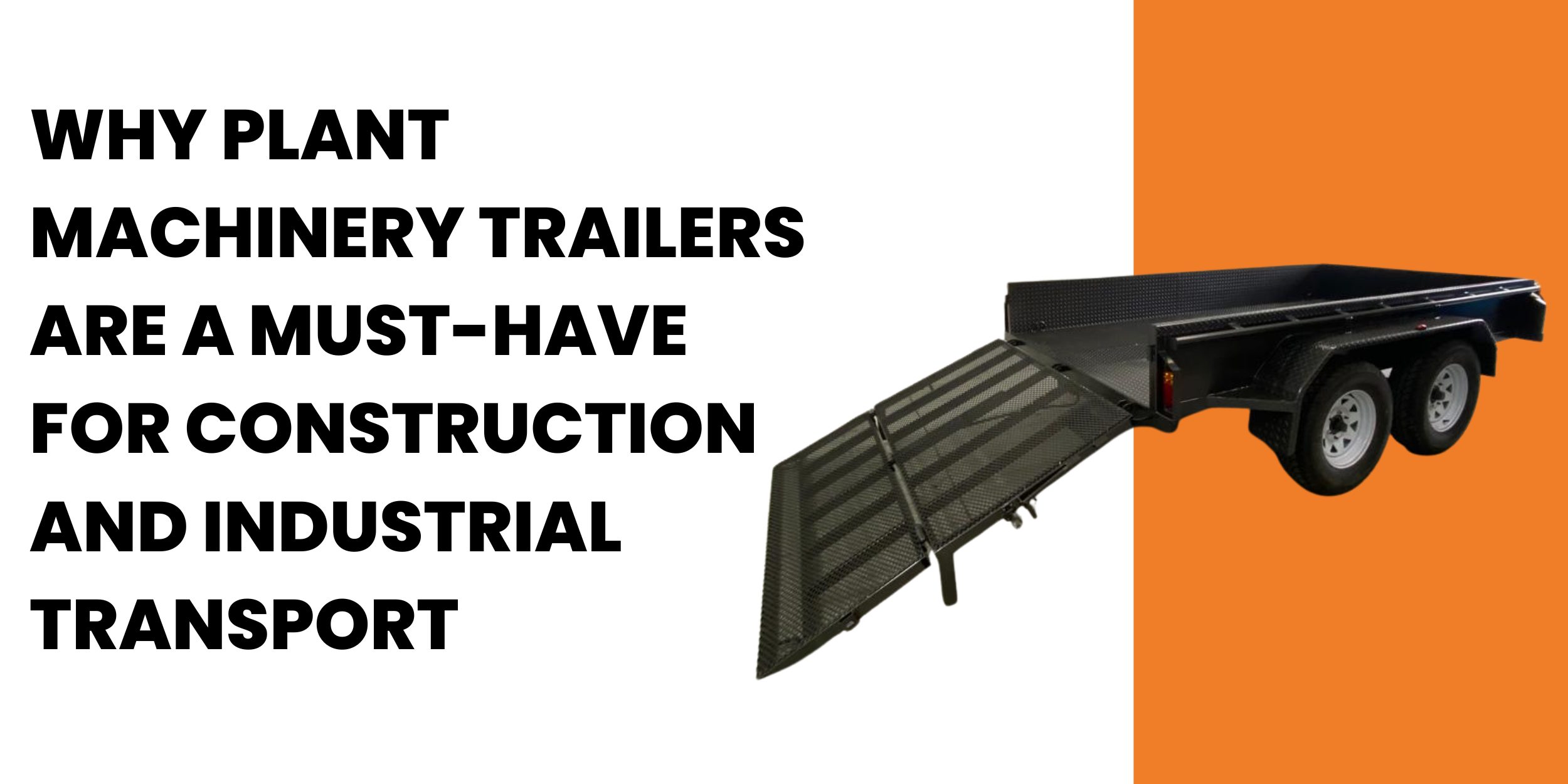
Moving heavy equipment safely is a daily reality for construction, civil, and industrial operators across Melbourne and regional Victoria. Excavators, skid steers, rollers, and access equipment are valuable assets, and transporting them incorrectly can lead to serious safety risks, compliance issues, and costly downtime. This is where plant machinery trailers play a critical role.
Designed specifically for heavy, high-value equipment, plant machinery trailers provide the strength, stability, and load control required for Australian worksites. In busy metro areas like Melbourne, where tight access and traffic are common, and in regional Victoria, where roads can be uneven or unsealed, choosing the right trailer is not optional, it is essential for safe and efficient operations.
This guide explains what plant machinery trailers are, why they matter, and how to choose the right option for your equipment and work environment.
What Plant Machinery Trailers Are Designed to Do
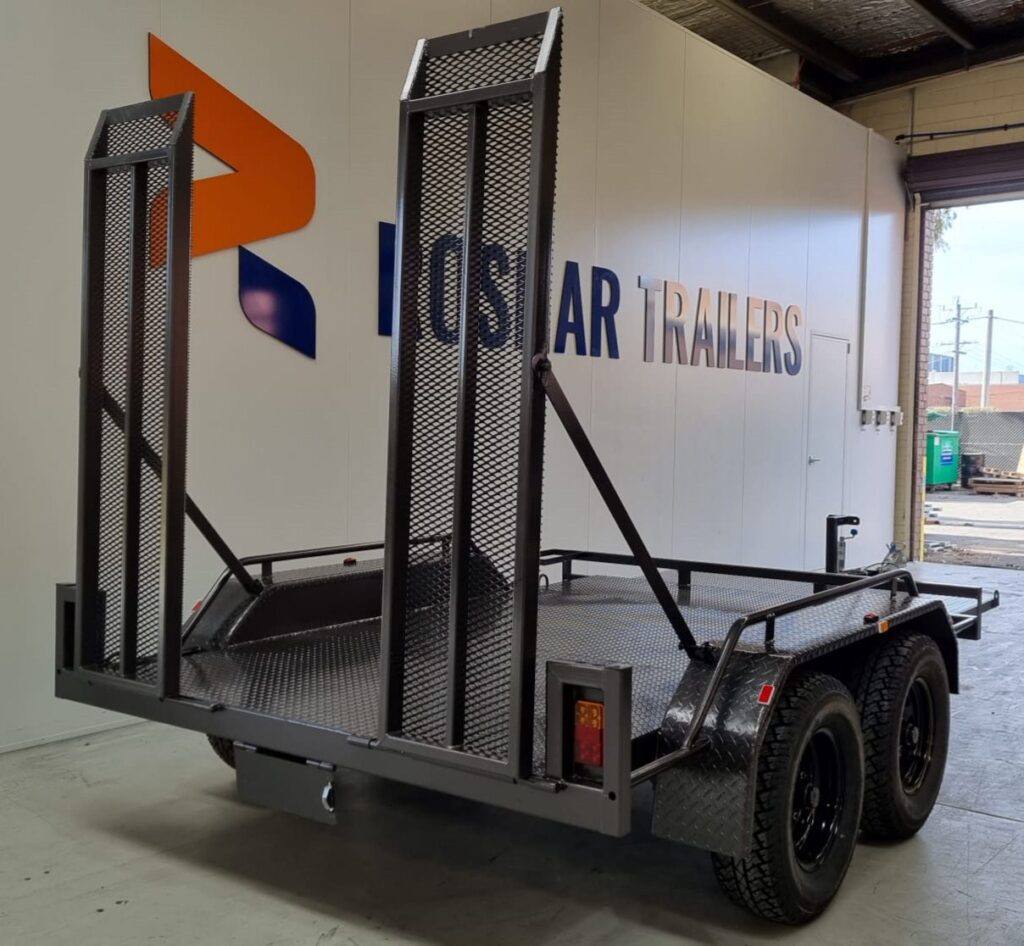
A plant machinery trailer is a purpose-built trailer designed to safely transport heavy construction and industrial equipment such as excavators, skid steers, rollers, and access machinery. Unlike general-purpose trailers, plant machinery trailers are engineered to handle concentrated loads, frequent loading cycles, and Australian road conditions while maintaining stability and compliance.
They are commonly used to move:
- Excavators and mini excavators
- Skid steer loaders and track loaders
- Rollers and compactors
- Scissor lifts and access equipment
- Small plant and industrial machinery
Unlike standard trailers, plant trailers are engineered to handle concentrated weight, repetitive loading cycles, and the dynamic forces created when towing heavy machinery. This reduces stress on both the trailer and the towing vehicle while improving overall safety.
Why Plant Machinery Trailers Are Essential on Australian Worksites
Australian worksites place constant stress on transport equipment due to heavy machinery weights, uneven ground, and frequent relocation between sites. In Melbourne, operators must also manage tight access, stop-start traffic, and compliance checks.
Plant machinery trailers are essential because they:
- Reduce load shift during braking and cornering
- Improve towing stability on highways and urban roads
- Allow safe loading and unloading on uneven ground
- Protect high-value machinery from transport damage
Using a general-purpose trailer for plant equipment often leads to poor weight distribution, inadequate tie-down points, and increased risk of accidents. Purpose-built plant trailers eliminate these issues by design.
Local Experience: Transporting Plant Machinery Across Melbourne and Victoria
In Melbourne and across Victoria, plant machinery is often moved through high-traffic corridors and mixed work environments. We regularly see operators navigating freeway congestion, industrial zones, and regional access roads in the same day.
Trailers designed for local conditions perform better because they account for:
- Stop-start traffic and emergency braking
- Uneven site entry points
- Long-distance towing between metro and regional sites
This real-world experience is why locally engineered plant machinery trailers consistently outperform generic imports.
Types of Plant Trailers Available
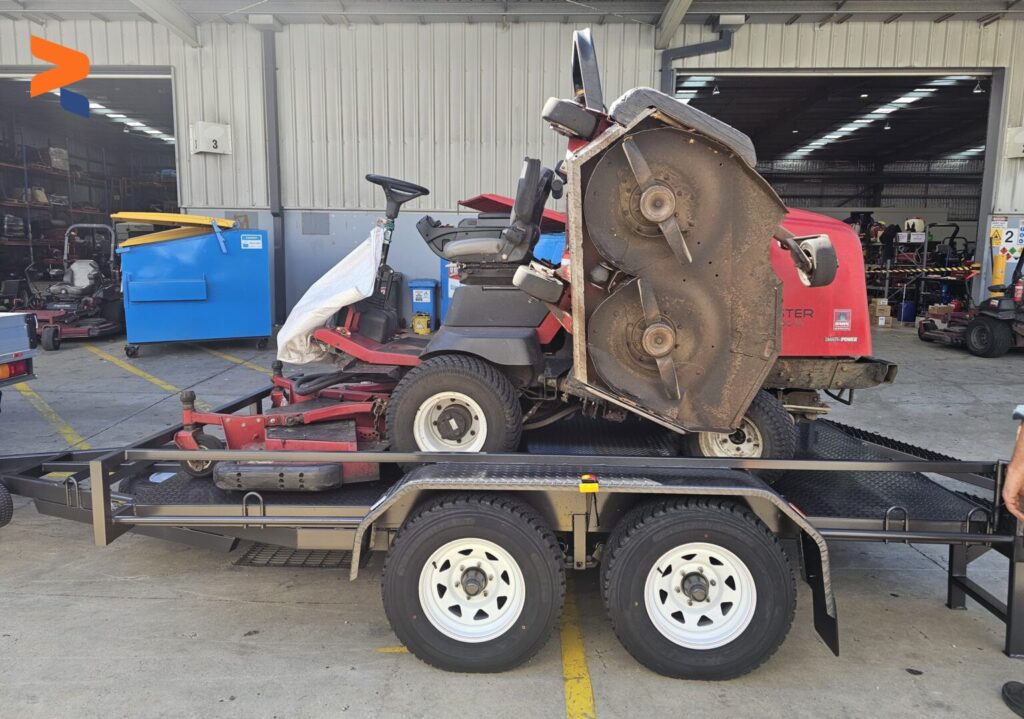
There are several types of plant trailers available, each suited to different machinery sizes and transport needs.
Plant Trailers
Standard plant trailers are ideal for moving small to medium-sized equipment. They offer strong decks, loading ramps, and reliable axle configurations for everyday construction use.
Large Plant Trailers
Large plant trailers are designed for heavier or bulkier machinery. These trailers feature reinforced chassis systems, stronger suspension, and higher load ratings, making them suitable for civil construction and industrial projects.
4.5 Tonne Plant Trailer
A 4.5 tonne plant trailer is commonly chosen for transporting heavier skid steers, compact excavators, and similar equipment. This category balances higher payload capacity with manageable towing requirements for suitable vehicles.
Selecting the right type depends on machine weight, dimensions, and how frequently equipment is transported.
Plant Machinery Trailer Types – Quick Comparison
| Trailer Type | Typical Use | Load Range | Key Advantage |
| Single Axle Plant Trailer | Light machinery, short trips | Up to ~2.8T | Manoeuvrable, cost-effective |
| Dual Axle Plant Trailer | Regular construction use | 3.0T–3.5T | Improved balance and braking |
| 4.5 Tonne Plant Trailer | Heavy skid steers, excavators | Up to 4.5T | Maximum stability and compliance |
| Large Plant Trailer | Civil / infrastructure projects | 4.5T+ | Built for high-frequency transport |
Key Features That Improve Safety and Performance
High-quality plant machinery trailers share several critical features that directly affect safety and performance:
- Load Capacity: The trailer must be rated to carry the combined weight of the machine and attachments.
- Axle Strength: Heavy-duty axles distribute weight evenly and reduce stress on suspension components.
- Braking Systems: Electric or hydraulic brakes improve stopping power, especially when towing heavy loads.
- Ramps and Deck Height: Low-angle ramps or tilt decks allow safer loading and unloading.
- Tie-Down Points: Rated anchor points ensure machinery can be secured correctly.
Plant trailers must also meet Australian Design Rules (ADR), which govern braking, lighting, and overall road safety compliance.
Plant Trailers Built for Melbourne and Victorian Conditions
Operating a plant trailer in Melbourne requires a design that can handle stop-start traffic, tight access points, and frequent loading cycles. In contrast, regional Victorian work often involves longer trips and rougher road surfaces.
Plant machinery trailers Melbourne operators rely on are typically engineered to:
- Maintain stability in urban traffic
- Handle uneven terrain outside metro areas
- Withstand frequent exposure to dust, moisture, and weather changes
- Provide predictable handling across varied road conditions
Trailers designed with local conditions in mind perform better and last longer than generic imports.
Who These Plant Machinery Trailers Are Best Suited For
Plant machinery trailers are used across a wide range of industries, including:
Construction Companies
Builders and contractors use plant trailers to move machinery between sites quickly and safely, reducing reliance on third-party transport.
Plant Hire Businesses
Hire companies depend on reliable trailers to deliver and collect equipment daily without damage or delays.
Civil and Infrastructure Projects
Large-scale projects require trailers capable of handling heavier loads and longer transport distances.
Industrial Maintenance Teams
Maintenance crews rely on trailers to move machinery efficiently between industrial facilities.
In each case, the right trailer improves workflow, safety, and asset protection.
How to Choose the Right Plant Trailer
Choosing the right trailer starts with matching your machine’s weight to the trailer’s legal and mechanical limits.
Step 1: Calculate Total Load Weight
Include the machine, fuel, buckets, attachments, and any additional equipment.
Step 2: Match Trailer ATM and Axles
The trailer’s Aggregate Trailer Mass (ATM) must exceed the total load. Dual axles are strongly recommended for heavier machinery.
Step 3: Confirm Tow Vehicle Capacity
Your ute or truck must be legally rated to tow the combined trailer and load weight.
Step 4: Verify ADR Compliance
Ensure the trailer meets Australian Design Rules for braking, lighting, and safety chains.
Following these steps reduces compliance risks and improves long-term safety.
Local Transport and Use Across Victoria
Plant machinery trailers are used across Melbourne’s commercial developments, infrastructure upgrades, and industrial zones, as well as throughout regional Victoria. From metro construction corridors to regional road projects, operators need trailers that perform consistently across varied environments.
Reliable trailers support efficient scheduling, minimise downtime, and help contractors meet tight project deadlines.
Experience, Expertise, and Compliance
Transporting heavy machinery safely requires real-world understanding of load management, braking performance, and towing regulations. Manufacturers with experience in heavy equipment transport understand how Australian laws, road conditions, and worksite realities affect trailer design.
A local Victorian manufacturer such as Roshar Trailers focuses on compliant, safety-checked plant machinery trailers built for durability and consistent performance under Australian conditions.
Conclusion
Plant machinery trailers are a critical part of safe and efficient equipment transport across Melbourne and Victoria. By choosing trailers designed for heavy loads, local conditions, and Australian compliance standards, operators protect their machinery, their workers, and their business operations.If you’re transporting heavy machinery regularly across Melbourne or regional Victoria, choosing the right plant machinery trailer is a practical safety decision. Speaking with a local manufacturer such as Roshar Trailers can help ensure your trailer is compliant, durable, and suited to real Australian worksites.
FAQ’S
What is a plant machinery trailer used for?
Plant machinery trailers are used to transport heavy construction and industrial equipment such as excavators, skid steers, rollers, and access machinery safely and legally on Australian roads.
What size plant trailer do I need?
The correct size depends on your machine’s total operating weight, including attachments. Always choose a trailer with a higher load rating than the combined weight to maintain safety and compliance.
Is a 4.5 tonne plant trailer road legal in Victoria?
Yes, a 4.5 tonne plant trailer is road legal when it meets ADR requirements, has compliant braking systems, and is towed by a suitably rated vehicle.
Are plant machinery trailers ADR compliant?
Quality plant trailers are built to meet Australian Design Rules covering braking, lighting, safety chains, and structural integrity.
Can a plant trailer be towed by a ute?
Many plant trailers can be towed by utes, provided the vehicle’s towing capacity and braking requirements match the loaded trailer’s weight.
Is buying a plant trailer better than hiring?
Buying is usually more cost-effective for operators transporting machinery regularly, while hiring suits short-term or occasional needs.