
37 Malcolm RD, Braeside, VIC
How to Choose the Right Car Trailer for Safe Vehicle Transport in Australia
13 March 2026 | roshartrailers
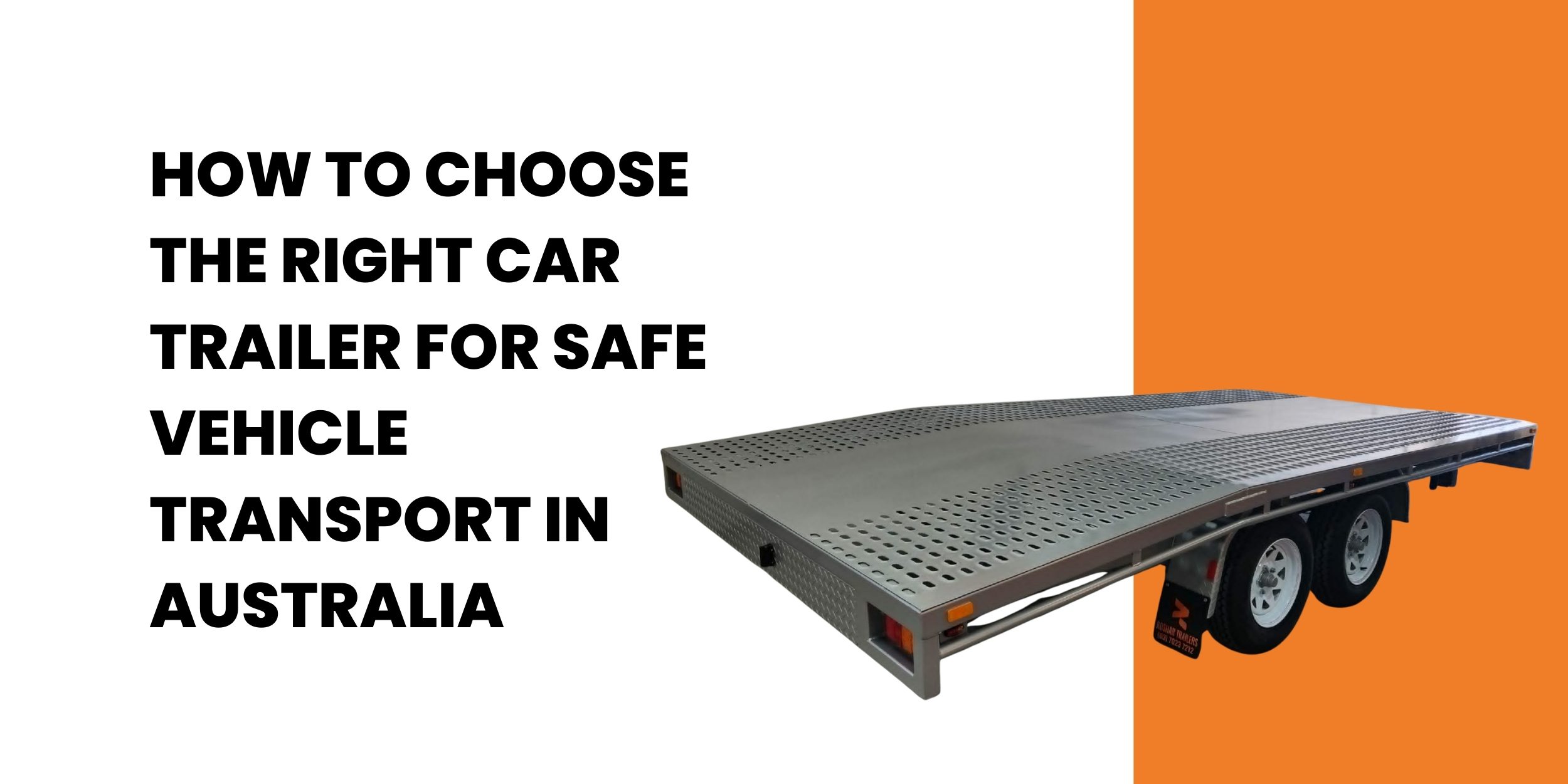
Transporting a vehicle safely across Australia requires planning, proper equipment, and a clear understanding of towing regulations. Whether you are moving a restoration project, delivering vehicles commercially, or relocating interstate, selecting the right Car Trailer for Sale can make the difference between a smooth journey and a stressful one.
Australia’s road network includes high speed highways, rural backroads, steep inclines, and long stretches of isolated terrain. These conditions demand a car trailer built for durability, compliance, and stability. In this guide, we explore how to evaluate your options and choose a trailer that prioritises safety, reliability, and long term value.
Why Choosing the Right Car Trailer Matters
Choosing the right trailer is not just about size, it directly impacts road safety, legal compliance, and vehicle protection. An undersized or poorly engineered trailer increases the risk of sway, brake failure, tyre wear, and load instability.
When towing at highway speeds, small imbalances can quickly escalate into serious control issues. A properly designed vehicle transport trailer distributes weight evenly and provides stable tracking behind your towing vehicle.
Investing time in proper selection reduces the risk of mechanical failure and protects both the transported vehicle and other road users.
Understand Your Vehicle Weight First
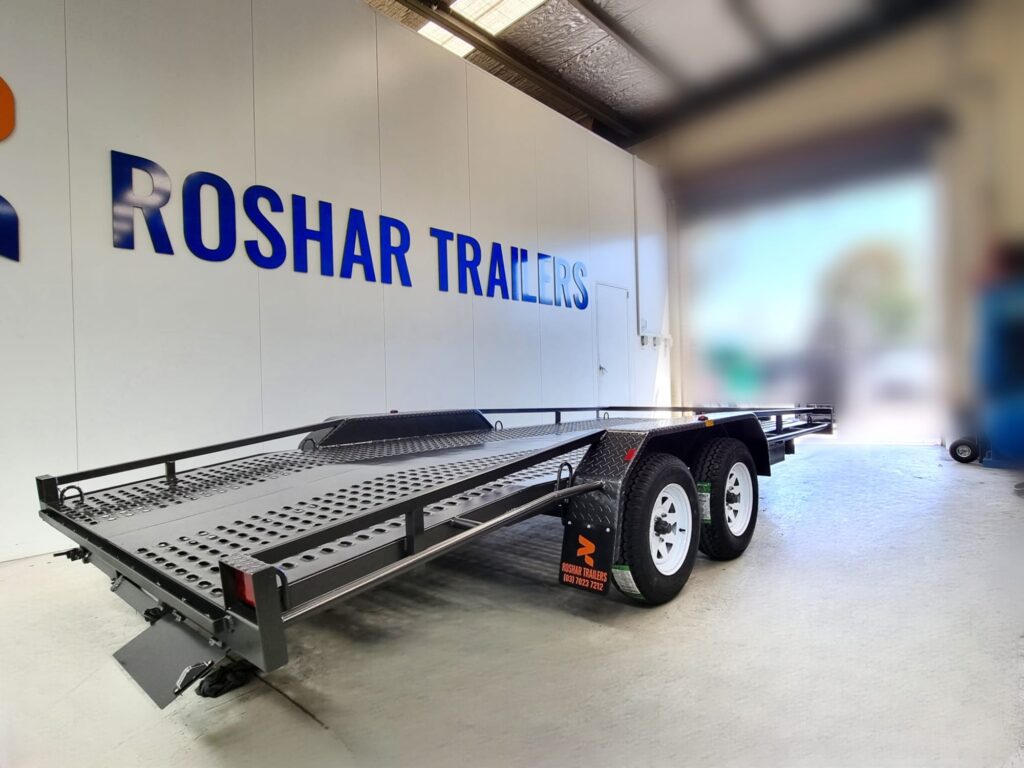
Before browsing listings for a Car Trailer for Sale, you must determine the exact weight of the vehicle you plan to transport. Many buyers underestimate the importance of this step.
You should consider:
- Kerb weight
- Added modifications such as bull bars or upgraded wheels
- Fuel load
- Additional cargo inside the vehicle
Failing to calculate the full transport weight can lead to overloading, which compromises braking systems and suspension components.
Why ATM Matters
The Aggregate Trailer Mass (ATM) represents the maximum loaded weight of the trailer. This includes both the trailer’s own weight and the vehicle being transported.
For example, if your car weighs 1,800kg and the trailer weighs 900kg, your ATM must exceed 2,700kg comfortably. Selecting a trailer with insufficient ATM rating may void insurance and breach Australian road regulations.
Understanding ATMs ensures safe towing performance and regulatory compliance.
Single Axle vs Tandem Axle vs Enclosed Car Trailers
Axle configuration and trailer style significantly affect towing stability, payload capacity, and vehicle protection. Choosing the right type depends on the vehicle being transported, travel distance, and level of protection required.
Single Axle Car Trailers
Single axle trailers are suitable for lighter vehicles and short distance transport. Their simpler construction makes them easier to maneuver, particularly in tight suburban areas.
They are ideal for:
- Hatchbacks
- Light sedans
- Short distance relocation
- Occasional use
However, when operating near maximum load capacity, stress is concentrated on two tyres and one axle system, which can impact long term durability.
Tandem Axle Car Trailers
Tandem axle trailers distribute weight across four wheels, improving weight distribution, braking response, and highway stability.
They are better suited for:
- SUVs
- Commercial vans
- Modified vehicles
- Long distance transport
The additional axle reduces sway at higher speeds and provides smoother tracking on highways. This makes tandem setups the preferred choice for heavier vehicle transport.
Manufacturers such as Roshar Trailers offer tandem configurations engineered for enhanced road stability and higher payload ratings.
Enclosed Car Trailers
Enclosed car trailers add a protective shell around the vehicle, shielding it from weather, road debris, and theft.
They are commonly chosen for:
- Classic cars
- Performance vehicles
- Luxury cars
- Interstate vehicle relocation
- Motorsport transport
An enclosed trailer protects against:
- Stone chips
- Rain exposure
- Dust damage
- UV degradation
While enclosed models are typically heavier and require higher towing capacity, they offer maximum security and professional presentation.
For businesses transporting high-value vehicles, enclosed car trailers provide peace of mind and added protection during long journeys.
Braking Systems and Compliance in Australia
Braking systems are not just safety features, they are legal requirements for trailers above certain weight thresholds.
Common Brake Types
Mechanical override brakes are suitable for lighter loads. Electric brake systems provide more responsive and controlled braking, especially under heavy weight conditions.
Trailers exceeding 2,000kg ATM typically require electric braking systems and breakaway units under Australian regulations.
Electric brake controllers installed inside your towing vehicle allow better modulation of stopping force, reducing trailer sway and preventing jackknifing.
Ensuring your braking system meets Australian Design Rules protects both your safety and legal standing.
Trailer Construction and Chassis Strength
The structural integrity of the chassis determines how well your trailer performs under stress. A weak frame can flex during transport, leading to long term fatigue and potential failure.
High quality trailers often feature:
- Fully welded RHS steel chassis
- Reinforced cross members
- Heavy duty drawbars
- High tensile steel construction
A robust chassis absorbs vibration from uneven road surfaces and maintains alignment during long distance travel.
Companies such as Roshar Trailers focus on reinforced frame design to ensure long term structural stability across Australian terrain.
Deck Type and Loading Style
The deck design influences how easily vehicles can be loaded and unloaded.
Flat Deck Trailers
Flat deck trailers provide a straightforward platform suitable for vehicles with standard ride height. They are cost effective and simple to maintain.
Tilt Tray Car Trailers
Tilt tray systems use hydraulic or mechanical mechanisms to lower the deck angle, making loading easier and safer.
This is particularly useful for performance vehicles or lowered cars that risk scraping on steep ramps.
Beavertail Design
Beavertail trailers include a slightly lowered rear section, reducing loading angle and improving clearance during vehicle entry.
Choosing the correct deck type depends on the types of vehicles you transport regularly.
Ramps and Loading Mechanisms
Loading safety should never be overlooked. A stable loading process reduces the risk of vehicle damage and personal injury.
Look for trailers with:
- Heavy duty steel ramps
- Slide under ramp storage
- Lockable ramp compartments
- Anti slip ramp surfaces
Wide ramps provide improved tyre stability during loading. Some trailers also support electric winch systems for non-running vehicles, adding another layer of practicality.
A controlled loading system improves safety and efficiency on every trip.
Tyres, Suspension, and Road Stability
Australia’s long distances require trailers with dependable running gear. Suspension quality directly impacts road stability and vehicle protection.
Options typically include:
- Leaf spring suspension
- Independent suspension systems
- Heavy duty shock absorption
Quality tyres with proper load ratings prevent blowouts under stress. Balanced axle placement also reduces trailer sway and improves towing comfort.
Strong suspension systems absorb vibration, protecting both the trailer and the transported vehicle.
Securing the Vehicle Properly
Even a well built trailer is ineffective without proper load restraint.
Effective securing requires:
- Reinforced tie down points
- Rated anchor rails
- Heavy duty ratchet straps
- Wheel straps for added stability
Securing the vehicle at multiple points prevents movement during braking or cornering.
Professional grade trailers integrate tie rails directly into the chassis structure for added strength.
Aerodynamics and Fuel Efficiency
Towing a car trailer naturally increases fuel consumption. However, intelligent design can minimise unnecessary drag.
Lower deck height, balanced weight distribution, and proper alignment reduce aerodynamic resistance.
Tandem axle trailers often provide better high speed tracking, which reduces lateral sway and improves overall fuel efficiency during long journeys.
Fuel economy may not be the first consideration, but over extended distances it becomes financially significant.
Maintenance and Long Term Ownership
Owning a trailer requires ongoing care to ensure safety and durability.
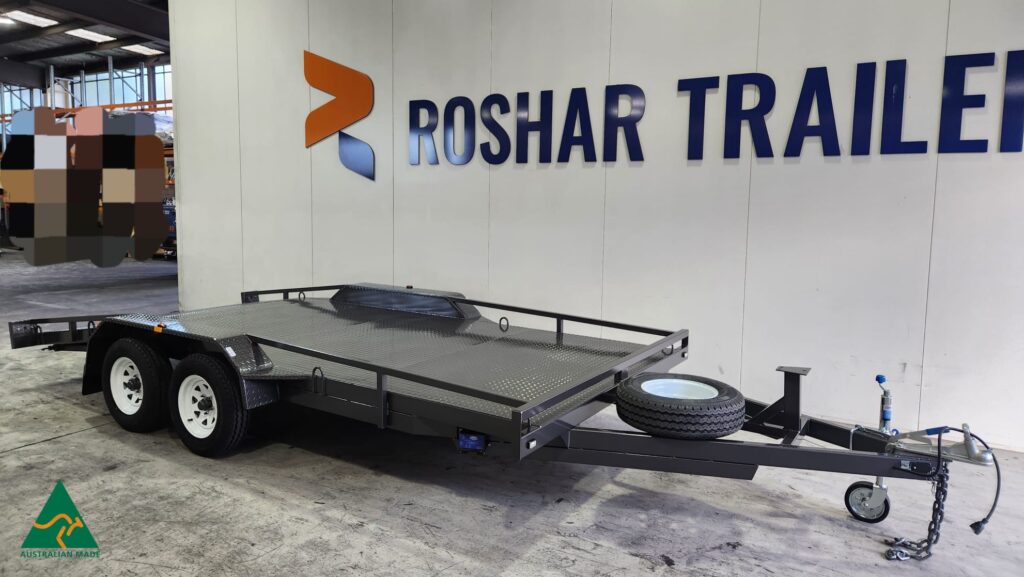
Routine maintenance should include:
- Inspecting brake components
- Checking tyre pressure
- Lubricating wheel bearings
- Monitoring electrical wiring
- Treating exposed metal surfaces
High quality powder coated finishes and corrosion resistant materials extend the lifespan of your trailer.
Regular servicing prevents minor issues from becoming major mechanical failures.
Matching the Trailer to Your Tow Vehicle
Your towing vehicle must safely handle the trailer’s Gross Trailer Mass.
Popular Australian utes such as the Toyota HiLux and Ford Ranger often tow up to 3,500kg when properly configured.
Confirm:
- Manufacturer towing capacity
- Tow ball rating
- Brake controller compatibility
Correct pairing ensures smooth acceleration, controlled braking, and reduced strain on your vehicle’s suspension system.
Final Thoughts on Choosing the Right Car Trailer
Selecting the right Car Trailer for Sale requires careful evaluation of weight ratings, braking systems, structural strength, and compliance standards.
A well engineered car trailer ensures smooth transport, reduced stress, and long term reliability.
Manufacturers such as Roshar Trailers design vehicle transport solutions built for Australian road conditions, focusing on structural durability and compliance.
Safe towing begins with informed decisions.
Ready to Transport With Confidence
If you are exploring options for reliable vehicle transport equipment, compare specifications carefully and prioritise safety features.
Visit Roshar Trailers to explore professional grade car trailer solutions engineered for Australian conditions.
Read car and transport trailers full guide
Frequently Asked Questions
What size car trailer do I need
Choose a trailer that exceeds the combined weight of your vehicle and trailer itself, with additional capacity for safety margin.
Are tilt tray trailers safer
Tilt trays simplify loading, particularly for lowered vehicles, reducing scraping and loading risk.
Do I need electric brakes
Yes, for heavier trailers exceeding regulatory weight thresholds.
Can I tow a car trailer with a ute
Yes, provided the trailer weight is within the manufacturer’s towing capacity limits.
How do I secure a vehicle correctly
Use rated tie down points and high quality wheel straps to prevent movement.
How long will a car trailer last
With proper maintenance and corrosion protection, a well built steel trailer can last over a decade.