
37 Malcolm RD, Braeside, VIC
Why Tandem Trailers Offer Better Stability Than Single Axle Models
25 May 2026 | roshartrailers
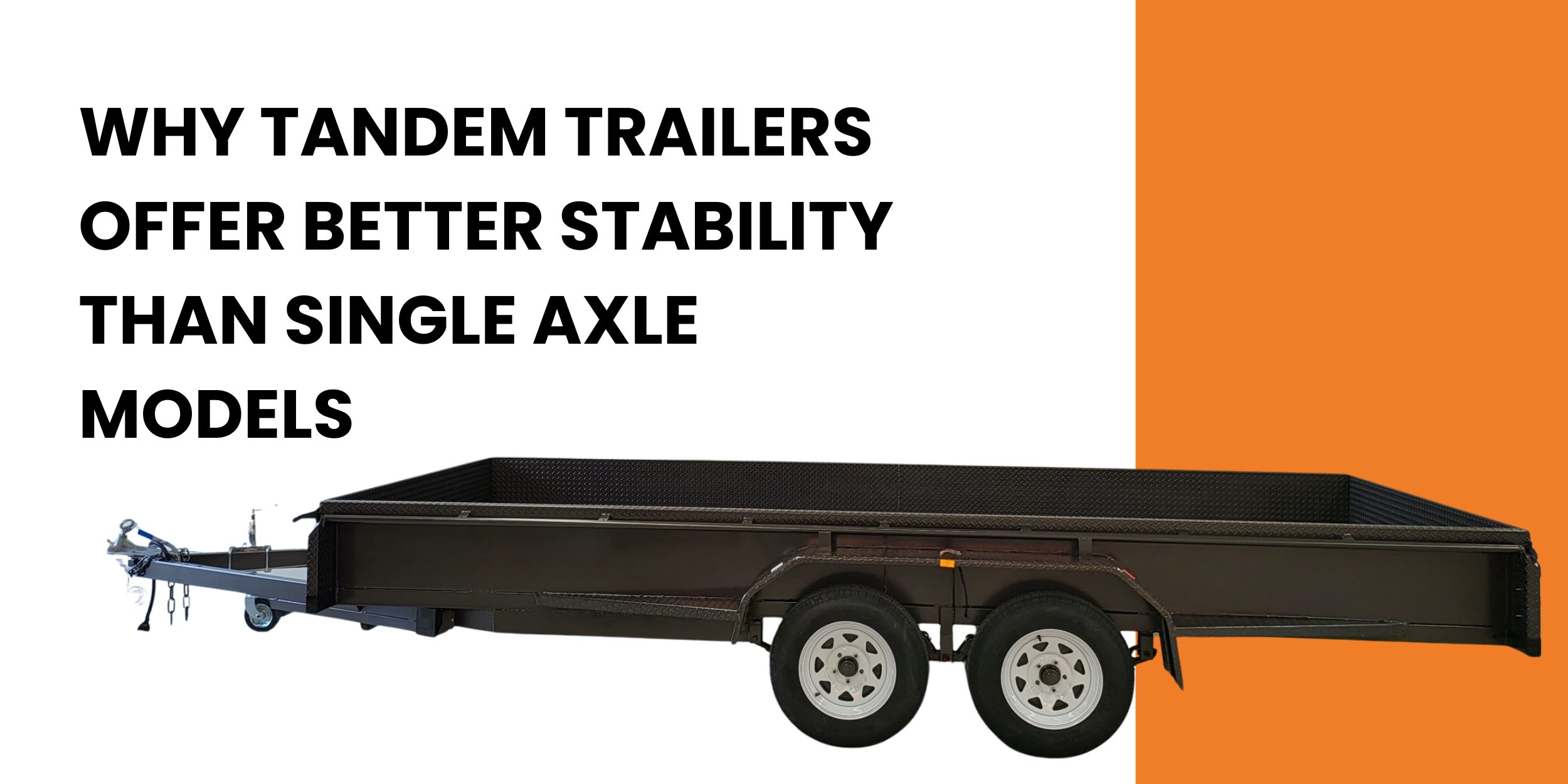
Towing heavy or uneven loads with the wrong trailer can lead to sway, poor control, and safety risks. Tandem trailers are designed to solve these problems by improving balance, road grip, and load support.
Compared to a single axle trailer, a tandem axle trailer has two axles and four wheels. This setup spreads weight more evenly and gives the trailer better contact with the road. For builders, landscapers, farmers, contractors, and serious DIY users, this extra stability can make towing safer and more confident.
In this guide, we will explain why tandem trailers offer better stability than single axle models, when they are the right choice, and what to check before buying one.
When Do You Need a Tandem Trailer
A tandem trailer is useful when your transport needs go beyond light or occasional towing.
You may need one when:
- You carry heavy loads regularly
- You tow over long distances
- Stability is a priority
- You work on rough or uneven terrain
- You use a trailer for business or trade work
- You carry tools, machinery, or building materials
- You want better control when towing
For light garden jobs or occasional small loads, a single axle trailer may be enough. For heavier or frequent work, a tandem setup is often more practical.
Tandem Trailer vs Single Axle Trailer: Quick Comparison
| Feature | Tandem Trailer | Single Axle Trailer |
| Stability | High | Moderate |
| Load Capacity | High | Low to medium |
| Best For | Heavy-duty work | Light use |
| Road Grip | Better | Limited |
| Maneuverability | Moderate | Easier |
| Cost | Higher | Lower |
| Long-Distance Towing | Better suited | Less suited |
What Is a Tandem Trailer
A tandem axle trailer is a trailer fitted with two axles and four wheels. This design helps distribute the trailer’s weight across more contact points.
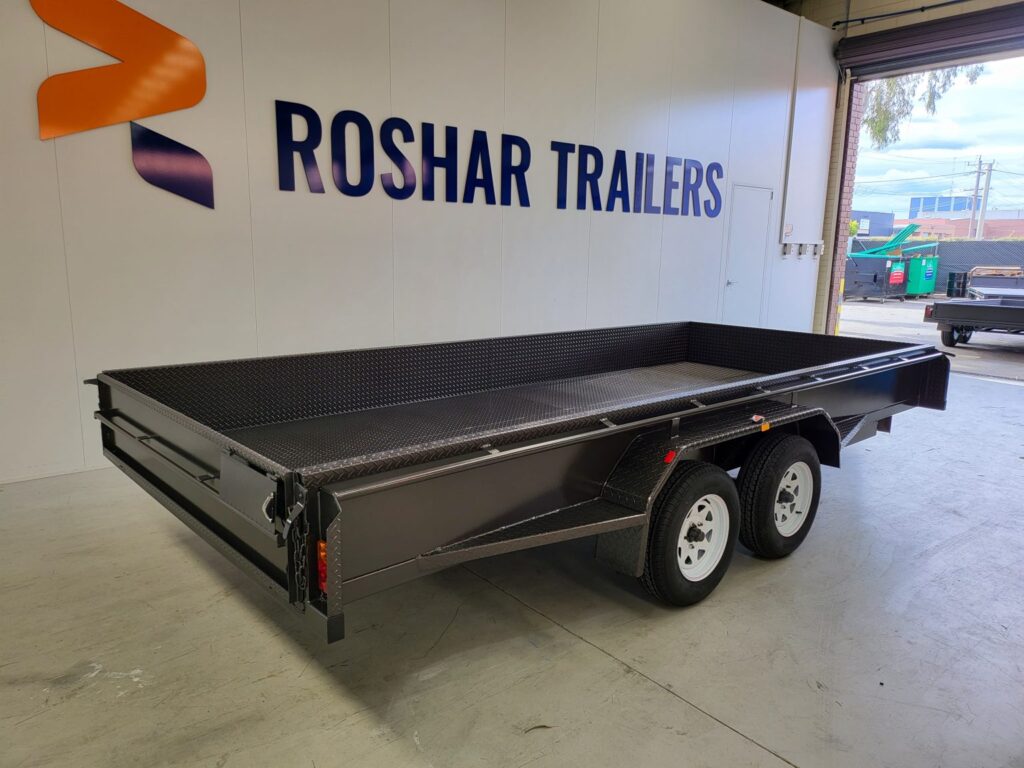
Because of this, tandem trailers are often used for heavier loads such as:
- Construction materials
- Landscaping supplies
- Machinery
- Farm equipment
- Tools and trade gear
- Bulk goods
A heavy duty tandem trailer is especially useful when you need strength, balance, and regular performance under demanding conditions.
Why Stability Matters When Towing
Trailer stability affects safety, comfort, and control. An unstable trailer may sway, bounce, or pull unevenly behind the tow vehicle.
Key Reasons Stability Matters
- Helps prevent trailer sway
- Improves braking control
- Reduces accident risk
- Protects your load
- Improves driver confidence
- Reduces stress on tyres and suspension
A stable trailer is easier to manage, especially on highways, rough roads, and job sites.
How Tandem Trailers Improve Stability
1. Better Weight Distribution
One of the main reasons tandem trailers feel more stable is better weight distribution.
With two axles, the load is spread across four wheels instead of two. This reduces pressure on each tyre and helps keep the trailer more balanced.
Benefits of Better Weight Distribution
- Less stress on individual tyres
- Better load balance
- Reduced bouncing
- Lower risk of tipping
- Improved towing comfort
This is especially helpful when carrying heavy or uneven materials.
2. Reduced Trailer Sway
Trailer sway can happen when the trailer moves side to side behind the tow vehicle. It is more common when loads are uneven, too heavy, or poorly secured.
A tandem axle trailer helps reduce sway because:
- It has more road contact
- The load is supported across a longer base
- Weight is spread more evenly
- Movement is better controlled
This makes tandem trailers useful for highway driving, windy conditions, and long-distance towing.
3. Improved Road Grip and Traction
Another major advantage of tandem trailers is improved road grip. Four wheels create more contact with the road than two wheels.
Why This Matters
- Better grip on wet roads
- Improved handling on gravel
- More control on rough surfaces
- Greater stability during turns
- Better support on uneven worksites
This is valuable in Australian conditions, where trailers may be used on highways, farms, construction sites, and regional roads.
4. Better Braking Performance
In addition to stability, braking is a major safety factor. Many heavy duty tandem trailer models are fitted with stronger braking systems, especially when designed for heavier loads.
Braking Benefits
- Better stopping control
- Reduced strain on the tow vehicle
- More confidence when towing heavy loads
- Improved safety on slopes and long trips
Brakes must match the trailer’s weight and legal requirements, so always check local towing rules before use.
5. Increased Load Capacity
Beyond stability, tandem trailers usually carry more weight than single axle trailers. Their two-axle design provides stronger support for heavier materials.
Why Higher Capacity Helps Stability
- Weight is not concentrated on one axle
- The trailer stays more balanced
- Tyres and suspension share the load
- Heavy loads are easier to control
This is why many trade users choose a tandem trailer when moving bricks, timber, soil, gravel, tools, or machinery.
6. Longer Wheelbase for Better Balance
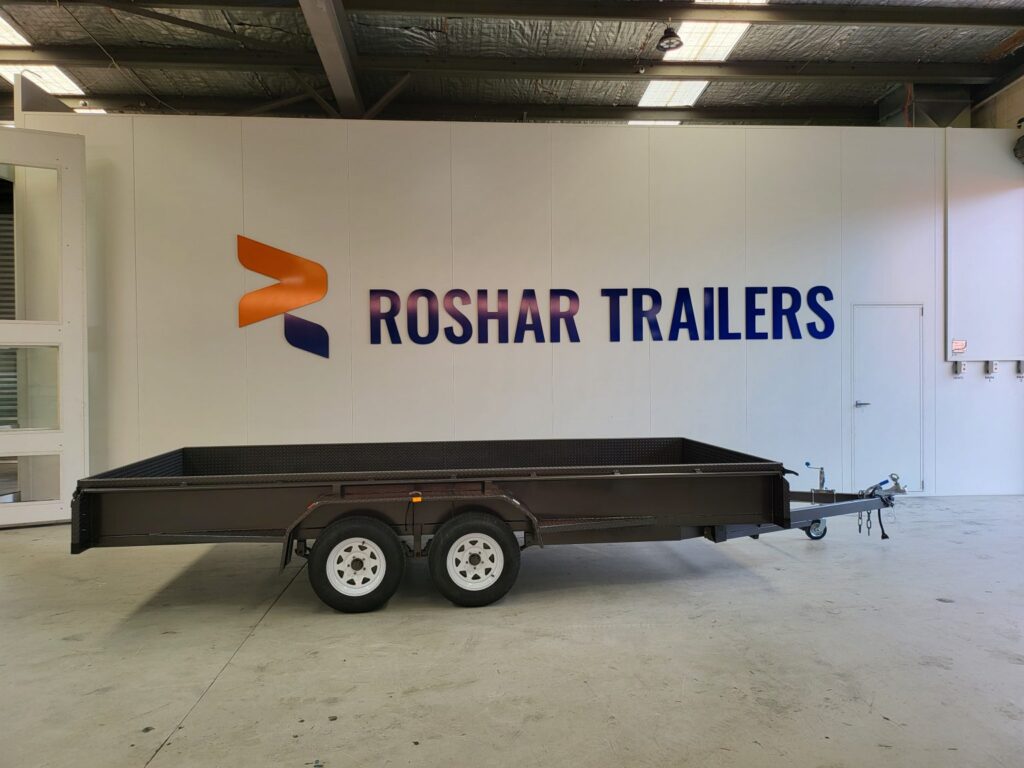
A tandem trailer usually has a longer wheelbase than a single axle trailer. This helps the trailer remain steady during travel.
How a Longer Wheelbase Helps
- Keeps the trailer level
- Reduces bouncing
- Improves control at higher speeds
- Supports larger loads more evenly
This makes towing feel smoother, especially when the trailer is loaded correctly.
Real Use Case Example
A contractor transporting bricks, cement, timber, and tools every day will benefit from a heavy duty tandem trailer because it provides better balance, load support, and stability.
A homeowner doing occasional DIY work or light garden transport may prefer a single axle trailer because it is easier to manoeuvre and usually costs less.
This shows that the right trailer depends on load type, usage frequency, and towing needs.
Common Situations Where Stability Matters Most
Highway Driving
At higher speeds, trailer movement becomes more noticeable. Tandem trailers help reduce sway and improve control.
Uneven or Rough Terrain
On farms, construction sites, and gravel roads, extra wheels improve grip and balance.
Heavy Load Transport
Dense materials like bricks, cement, gravel, and machinery need strong support and even weight distribution.
Long-Distance Towing
For longer trips, reduced bouncing and better control make towing more comfortable and safer.
Are Tandem Trailers Harder to Use
Tandem trailers are stable, but they do require some extra care.
Things to Consider
- They may need more space to turn
- Reversing can take practice
- They usually cost more than single axle trailers
- They may require a stronger tow vehicle
- Maintenance may involve more tyres and components
However, for users carrying heavy loads often, the stability and safety benefits usually outweigh these drawbacks.
Tips for Maximising Stability When Using a Tandem Trailer
Even the most stable trailer must be loaded and used correctly.
Best Practices
- Distribute weight evenly
- Keep heavy items low and centred
- Avoid overloading
- Check load balance before every trip
- Use proper tie-downs
- Recheck straps after the first few kilometres
- Check tyre pressure regularly
- Avoid sudden braking or sharp turns
- Drive at controlled speeds
These steps help you get the best performance from your trailer while reducing risk.
Things to Check Before Buying a Tandem Trailer
If you are comparing a tandem trailer for sale, focus on more than price.
Buying Checklist
- Load capacity and ATM rating
- Trailer size and dimensions
- Brake system
- Suspension type
- Build quality
- Chassis strength
- Tow vehicle compatibility
- Tyre rating
- Tie-down points
- Frequency of use
- Warranty and support
Choosing carefully helps ensure long-term safety, durability, and performance.
Why Tandem Trailers Are Popular in Australia
The demand for tandem trailers continues to grow across Australia because they suit many work and transport needs.
Key Benefits
- Better stability for heavy loads
- Improved safety during towing
- Suitable for tough road conditions
- Useful for many industries
- Better support for commercial use
- Practical for long-distance transport
From construction sites and farms to landscaping jobs and trade work, tandem trailers are widely trusted for stability and strength.
Conclusion
A tandem axle trailer offers better stability than a single axle model because it spreads weight across two axles and four wheels. This improves road grip, reduces sway, supports heavier loads, and gives drivers more control.
While single axle trailers are suitable for lighter tasks, tandem trailers are better for regular heavy-duty use, long-distance towing, and demanding work conditions. By choosing the right size, capacity, and features, you can tow with greater confidence and safety.
Looking for a tandem trailer that suits your workload?
Explore different tandem trailer for sale options from Roshar Trailers and compare sizes, features, and load capacities to find a practical solution.
Frequently Asked Questions
1. Why are tandem trailers more stable?
Tandem trailers have two axles and four wheels, which distribute weight more evenly and improve road contact.
2. Are tandem trailers safer than single axle trailers?
Yes, especially when carrying heavy loads or towing long distances. They usually offer better stability and load support.
3. Do tandem trailers reduce sway?
Yes. A tandem axle setup helps reduce trailer sway by spreading weight across a longer base with more road contact.
4. Can I use a tandem trailer for light loads?
Yes, but it may not be necessary if your loads are small and occasional. A single axle trailer may be more practical for light use.
5. Is a tandem trailer harder to tow?
It may need more space for turning and reversing, but it usually provides better stability once on the road.
6. What is a heavy duty tandem trailer used for?
A heavy duty tandem trailer is used for transporting heavy materials such as construction supplies, machinery, landscaping materials, and bulk goods.
7. What size tandem trailer should I choose?
The right size depends on your load type, load weight, and how often you use the trailer. Larger trailers suit heavy and frequent use.