
37 Malcolm RD, Braeside, VIC
How to Store a Trailer Safely at Home or Work
21 August 2026 | roshartrailers
Table of Contents
By Roshar Trailers Team, Trailer Manufacturing
Published: 21 August 2026
Trailer storage tips work best when you clean the trailer, park it on firm level ground, protect tyres, cover exposed parts, secure the coupling, remove loose gear, check local rules and inspect it before the next tow.
A trailer can sit for weeks or months between jobs, seasons or project stages. That idle time can quietly create flat tyres, rust, seized parts, battery issues, water pooling, theft risk and surprise repair costs when you need the trailer again.
For tradies, landscapers, farmers, contractors, car owners, tiny house builders and small businesses, storage is part of trailer ownership. A trailer that is parked properly at home, in a yard or at a worksite will usually be easier to tow, easier to maintain and safer to bring back into use.
Where should you store a trailer at home or work?
The safest place to store a trailer is a flat, firm, well-drained and secure area with enough room to inspect, hitch and move it. Avoid grass, soft soil, water pooling, public road storage and tight corners where reversing damage is likely.
A concrete driveway, sealed yard, compacted gravel pad, carport, shed or lockable commercial yard is usually better than a lawn or unsealed muddy corner. Grass holds moisture around tyres, rims, floors and underbody parts. Soft ground also makes it harder to move the trailer safely later.
For home storage, think about access first. Can you hitch the trailer without blocking the street? Can the gate open fully? Can you walk around the trailer to inspect lights, tyres and tie-down points? Can children, pets or visitors reach sharp edges, ramps or loose gear?
For work storage, think about security and workflow. A trailer parked behind a locked gate, under lighting, with the coupling facing inward and access blocked by another vehicle is harder to steal than one left near the entrance. It is also easier to manage if each trailer has an assigned bay.
According to Transport Victoria, parking rules depend on signs, clearways and local road conditions, so long-term trailer storage on public roads should not be treated as guaranteed storage space. Local councils can also investigate unregistered or abandoned vehicles, including trailers, on roads or council land.
Best storage-location comparison
| Storage location | Best for | Main risk | Safer setup |
| Garage or shed | High-value trailers, tools, seasonal storage | Limited clearance and tight reversing | Measure height, width, drawbar and door clearance first |
| Carport | Homeowners and small business trailers | Wind-driven rain and side exposure | Use a breathable cover and wheel chocks |
| Concrete driveway | Regular-use trailers | Theft visibility and tyre pressure spots | Add coupling lock, wheel lock and routine movement |
| Gravel pad | Farm, rural and yard storage | Uneven settlement and weeds | Compact the pad and keep drainage clear |
| Work yard | Trades, landscaping and fleet trailers | Access confusion and theft | Assign bays, use lighting, cameras and locked gates |
| Public street | Short-term convenience only | Council rules, theft, damage and complaints | Avoid long-term street storage where possible |
How to store a trailer safely before long-term parking?
To store a trailer safely, clean it, unload it, dry it, check tyres, grease moving parts where required, secure loose items, disconnect accessories, lock the coupling and park it level. The better the preparation, the easier the next trip becomes.
The biggest mistake is parking the trailer “just for a week” and leaving it for three months. Wet grass, leftover mulch, concrete dust, salt, fertiliser, tools, straps and rubbish can all create problems while the trailer is not moving.
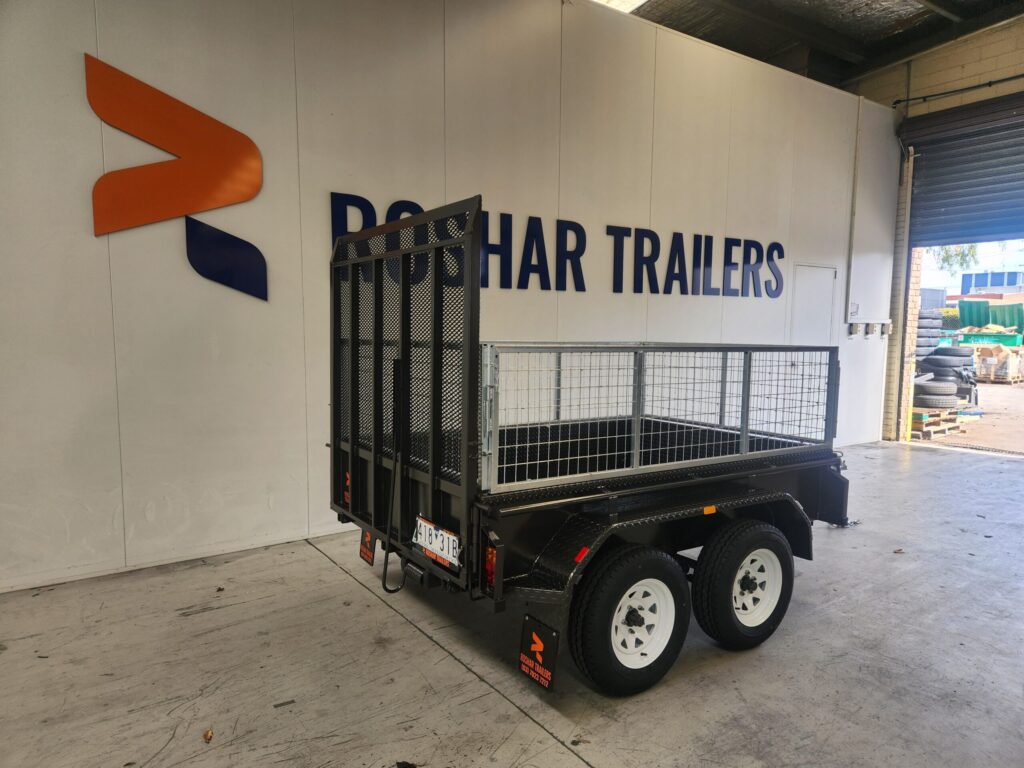
A landscaper’s cage trailer may need green waste removed from corners and mesh. A concreter’s trailer may need dust and slurry washed off before it hardens. A farmer’s trailer may need mud, feed residue and chemical containers removed. A tradie’s trailer may need toolboxes emptied or locked properly before storage.
Pre-storage process
- Unload everything that does not need to stay in the trailer: loose gear adds theft risk, attracts pests and can trap moisture.
- Wash off mud, salt, mulch, fertiliser and concrete dust: these materials can accelerate corrosion or damage finishes.
- Let the trailer dry before covering it: covering a wet trailer can trap moisture against paint, galvanised surfaces, wiring and floor joints.
- Park on firm, level ground: level storage reduces unwanted movement and prevents the jockey wheel sinking into soft soil.
- Chock the wheels on both sides: chocks help stop movement when the handbrake relaxes or the ground shifts.
- Lower stabilisers only if fitted and suitable: stabilisers can reduce movement but should not carry loads they were not designed for.
- Secure ramps, tailgates and cages: rattling or swinging parts can damage hinges, latches and nearby walls.
- Lock the coupling and remove keys from toolboxes: easy access is exactly what thieves look for.
Mars Campers recommends cleaning before long-term storage, greasing riding gear, keeping canvas and awnings clean and dry, and using chocks and tyre-pressure checks to reduce tyre-wall damage. The same storage logic applies to work trailers, even when they do not have camper interiors.
Which trailer storage tips protect tyres, brakes and bearings?
The most important trailer storage tips for components are to inflate tyres correctly, avoid long-term tyre loading in one spot, keep brakes dry, protect bearings from water and move the trailer occasionally. Stationary trailers can still wear out.
Tyres age even when the trailer is not travelling. UV exposure, low pressure, heavy loads and long periods sitting in one position can create cracks, flat spots and sidewall stress. If the trailer is stored outdoors, shade the tyres where possible and check pressure before the next tow.
Brakes and bearings also need attention. A trailer stored after a wet tip run, boat-ramp trip, muddy farm job or rainy construction day can hold moisture around hubs and brake parts. If it sits too long like that, the next trip may reveal noise, drag, heat or poor braking.
According to Transport for NSW, before towing a trailer you should check tyres, wheel bearings, suspension, brakes, lights, safety chains and coupling condition. That pre-tow checklist is especially important after storage because small issues can develop while the trailer is sitting.
Component protection table
| Component | Storage risk | Practical protection |
| Tyres | Flat spots, cracking, low pressure and UV damage | Inflate correctly, cover from sun and move slightly during long storage |
| Bearings | Moisture, grease breakdown and heat on next trip | Keep away from standing water and service if noise or heat appears |
| Brakes | Rust, sticking, electrical faults or moisture | Store dry and test before road use |
| Coupling | Rust, dirt, stiffness or theft access | Clean, lubricate where suitable and lock the coupling |
| Safety chains | Rust, dragging damage or missing shackles | Store off the ground and check rated connection points |
| Lights and wiring | Corrosion, rodent damage and plug exposure | Keep plugs covered and test all lights before towing |
| Jockey wheel | Sinking, bending or wheel damage | Use a solid pad under the wheel or stand |
How do you stop rust, water damage and weather wear?
To reduce rust and weather damage, store the trailer clean, dry and off wet ground, then use a breathable cover, shed, carport or sheltered position. Avoid plastic tarps that trap condensation directly against metal for long periods.
Australian storage conditions can be harsh. A trailer may sit through Melbourne rain, hot summer sun, coastal air, dust, falling leaves and job-site grime. The storage goal is not to keep the trailer showroom perfect; it is to prevent avoidable water, rust and UV damage.
If you use a cover, make sure it fits well and allows airflow. A loose tarp can rub paint, flap in wind and trap moisture underneath. A breathable trailer cover or roofed storage area is usually better for long storage than a non-breathable plastic cover tied tightly over a wet trailer.
Roshar product warranty wording on multiple trailer product pages recommends keeping trailers clean, storing them in a sheltered area where feasible, and avoiding prolonged exposure to water accumulation or stagnation. That is practical advice for home and work storage because water pooling is one of the simplest risks to avoid.
Weather-protection checklist
- Store nose-up only enough for drainage: water should not sit inside the tray, toolbox, floor edges or front corners.
- Keep leaves and debris out of the trailer: organic material holds moisture and can stain or corrode surfaces.
- Do not trap a wet load under a cover: green waste, wet soil and damp tarps create mould and rust conditions.
- Cover tyres from direct sun: UV exposure can shorten tyre life even when tread looks unused.
- Keep wiring plugs out of rain and mud: electrical issues often start with exposed plugs and corroded contacts.
- Open enclosed trailers periodically if safe: airflow helps reduce stale air and trapped moisture.
- Avoid sprinklers and roof runoff: repeated water exposure in the same spot can create corrosion over time.
How should you secure a trailer against theft?
Secure a trailer by making it hard to hitch, hard to move and hard to access unnoticed. Use a coupling lock, wheel lock, chain, locked gate, lighting, cameras, blocked access and visible identification where practical.
Trailers are attractive to thieves because many can be moved quickly if the coupling is exposed. Security should slow the process down. A thief wants a quick hitch-up, not a trailer blocked by a locked gate, wheel lock, coupling lock and another parked vehicle.
At home, store the trailer away from the street where possible. If it must be visible, improve lighting and remove easy access. At work, use yard procedures: assigned trailer bays, key control, locked toolboxes, perimeter fencing, CCTV and recorded VIN or serial details.
Security is also about what is inside the trailer. A tradesman trailer full of tools, a landscaping trailer with equipment or a car trailer with ramps and straps should not be treated as empty metal. Lock what can be locked, remove high-value gear and keep photos and records for insurance.
Trailer security layers
| Security layer | What it does | Best suited for |
| Coupling lock | Stops easy hitching | Most home and work storage |
| Wheel lock | Makes rolling harder | Long-term outdoor storage |
| Heavy chain and ground anchor | Adds physical resistance | Yards, sheds and exposed driveways |
| Locked gate | Controls vehicle access | Worksites, farms and business yards |
| CCTV and lighting | Increases detection risk | Commercial yards and visible driveways |
| Parking nose-in or blocked access | Makes quick removal harder | Garages, carports and driveways |
| VIN/photos/records | Helps identification after theft | All trailer owners |
What are the storage differences for box, tandem and work trailers?
Different trailers need different storage priorities. Box trailers need drainage and floor protection, tandem trailers need tyre and bearing care across more wheels, while trade, plant and enclosed trailers need extra attention to security, ramps, toolboxes and load-restraint gear.
If you are comparing trailers for sale, storage should be part of the buying decision. A trailer that fits your load but not your driveway, shed, yard or access path may create problems every week.
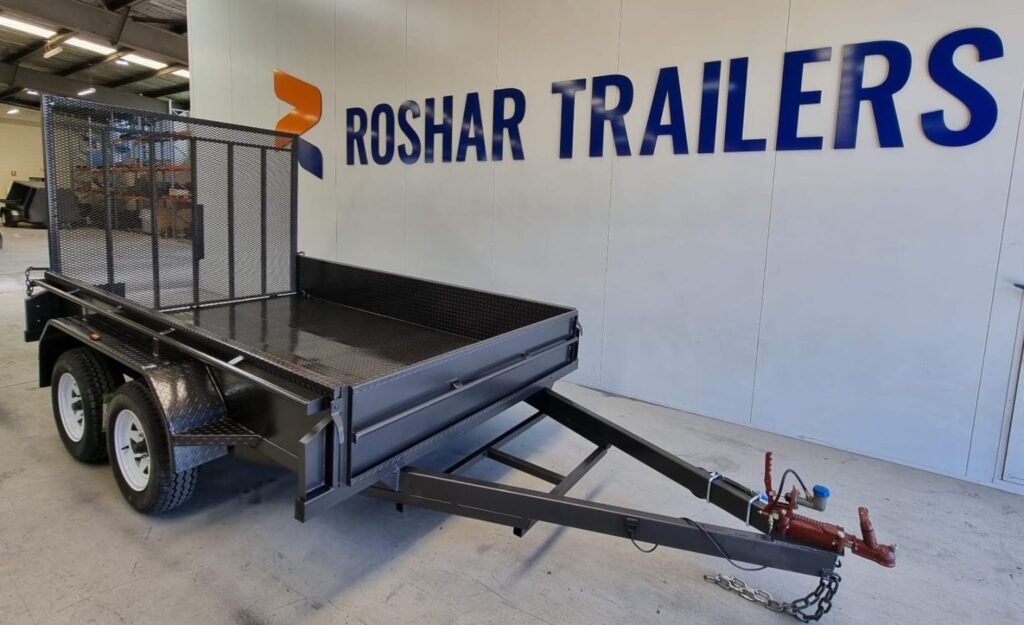
Box trailers are often simple to store, but they can still collect water, leaves and loose waste. Tandem trailers offer more capacity, but they also have more tyres, bearings and running gear to inspect. Work trailers may need more locks, covered storage or a defined service routine.
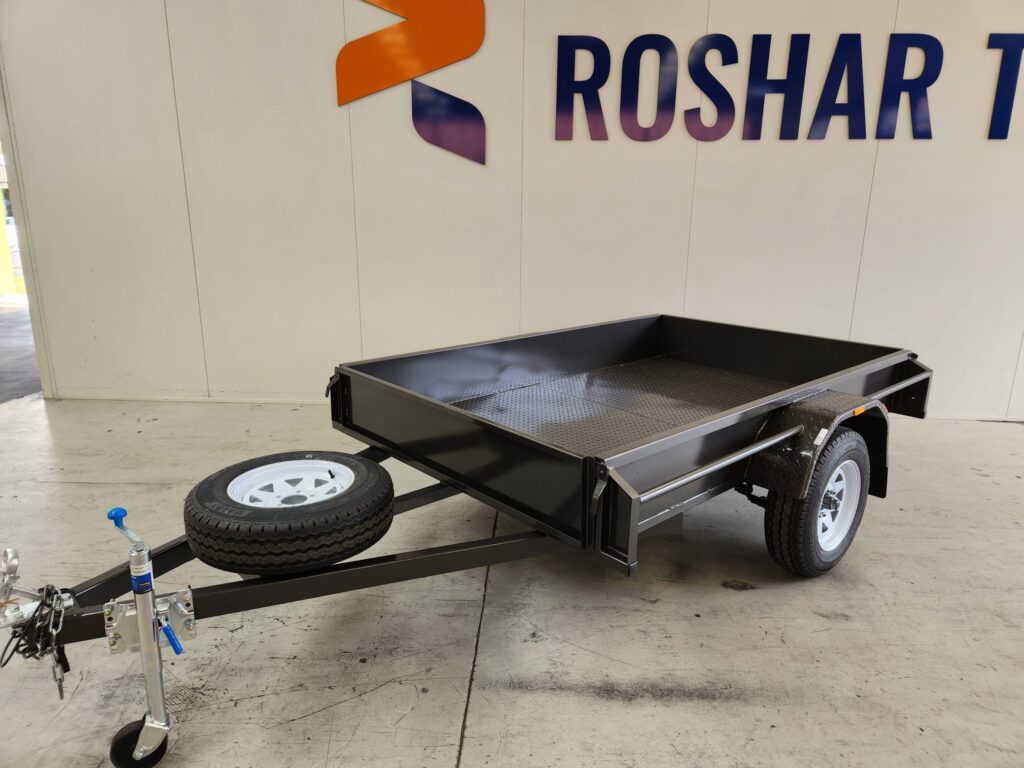
For customers using trailers in trade, landscaping, farming, construction or vehicle transport, storage should connect directly with trailer maintenance. Roshar’s site positions repairs and maintenance as part of keeping trailers safe and roadworthy, which is especially important for business users who rely on their trailer during the week.
Storage by trailer type
| Trailer type | Main storage risk | Better storage habit |
| Box trailer | Water, leaves, rust and floor wear | Store slightly drained, clean and covered if outdoors |
| Cage trailer | Debris trapped in mesh and exposed load area | Remove green waste, secure cage parts and check welds |
| Tandem trailer | More tyres, bearings and brake components | Rotate position occasionally and inspect each wheel |
| Tradesman trailer | Tool theft and moisture inside compartments | Lock toolboxes, dry interiors and check seals |
| Plant trailer | Heavy ramps, chains and load points | Secure ramps, inspect tie-downs and keep deck clear |
| Car trailer | Long deck exposure and ramp storage | Protect winch, ramps, tyres and tie-down points |
| Enclosed trailer | Moisture, stale air and hidden leaks | Ventilate periodically and inspect door seals |
How often should you inspect a stored trailer?
Inspect a stored trailer monthly for general storage, fortnightly for outdoor business trailers and after heavy rain, storms or long heat periods. Look for tyre pressure, water pooling, rust, loose covers, pests, lights, locks and any sign of movement.
Stored trailers are easy to forget until the next job. That is when owners discover flat tyres, seized latches, missing straps, dead batteries, stolen parts, cracked lights or rodent-damaged wiring. A short inspection routine reduces those surprises.
A monthly inspection is enough for many home trailers stored under cover. Outdoor work trailers need more frequent checks because they face sun, rain, wind, dust, site debris and theft risk. Trailers stored with valuable tools, batteries or equipment inside should be checked more often.
Storage inspection schedule
| Storage situation | Inspection frequency | What to check |
| Garage or shed storage | Every 4–6 weeks | Tyres, locks, pests, moisture and access space |
| Covered driveway | Monthly | Cover fit, tyre pressure, drainage and security |
| Outdoor work yard | Every 2–4 weeks | Locks, lights, tyres, water pooling and movement |
| After heavy rain | As soon as practical | Water inside tray, toolboxes, covers and electrical plugs |
| After storms or strong wind | As soon as practical | Cover damage, falling branches, moved chocks and loose items |
| Before busy season | 1–2 weeks before use | Bearings, brakes, lights, tyres and service needs |
| Long-term storage over 3 months | Monthly plus pre-use service check | Tyres, bearings, brakes, coupling and registration readiness |
What should you check before towing after storage?
Before towing after storage, check tyres, wheel nuts, lights, plug, coupling, chains, brakes, bearings, registration, number plate, ramps, tie-down points and load area. A trailer can look fine parked but fail once speed, heat and vibration begin.
Start with the trailer empty if possible. Move it slowly, listen for bearing noise, check that wheels roll freely and test the lights before loading. If brakes are fitted, test them at low speed before joining traffic. If anything feels rough, hot, noisy or loose, stop and inspect.
According to the Department of Infrastructure, low ATM trailers are expected to comply with applicable Australian Design Rules, and VSB 1 helps manufacturers understand requirements for common trailer systems. Storage should not involve changes that compromise lighting, braking, tyres, couplings, mechanical connections or safety-chain arrangements.
Pre-tow after-storage process
- Check tyre pressure and sidewalls before loading: soft or cracked tyres are easier to spot before the trailer is heavy.
- Test brake lights, tail lights and indicators: stored trailers often develop plug, globe or wiring faults.
- Inspect coupling and safety chains: the trailer must connect securely before any road use.
- Look under the trailer for leaks, rust or animal nests: hidden issues can damage wiring, brakes and bearings.
- Check ramps, latches, tailgates and cages: loose parts can become road hazards once vibration starts.
- Tow locally before a long trip: a short test run can reveal bearing heat, brake drag, tyre wobble or rattles.
- Recheck after the first few kilometres: storage-related faults often appear once the trailer warms up.
Conclusion
Good trailer storage tips protect more than appearance. They help preserve tyres, brakes, bearings, wiring, security, load space and roadworthiness, especially when the trailer is used for work, business, landscaping, farming or regular towing.
For a trailer that suits your storage space and real workload, explore Roshar Trailers range of box, tandem, tradesman, plant, tipper, car carrier and custom trailers. The best trailer is one you can use, store, maintain and tow safely.
FAQ’S
Can I store a trailer outside all year?
Yes, but outdoor storage needs extra protection. Park on firm, drained ground, cover tyres from sun, remove wet loads, use a breathable cover and check the trailer after heavy rain. Outdoor storage is workable, but neglect can lead to rust, tyre cracking and electrical problems.
Should a trailer be stored loaded or empty?
Empty is usually better. Long-term loaded storage can stress tyres, suspension, floor sections, jockey wheels and tie-down points. If equipment must stay inside, keep the load light, evenly distributed and secured, and check tyre pressure and security more often than you would with an empty trailer.
Can I store an unregistered trailer on the street?
No, not safely as a general assumption. Rules vary by state and council, and unregistered or abandoned trailers on roads or council land can be investigated or impounded. Store unregistered trailers on private property and check your local council before using public space.
Is it better to cover a trailer or leave it open?
Cover it only if the trailer is clean and dry, and use a breathable cover where possible. A tight plastic tarp over a wet trailer can trap condensation and create rust or mould conditions. If the trailer is under a carport or shed, airflow may be more important than covering.
How do I stop trailer tyres getting flat spots?
Inflate tyres correctly, avoid storing the trailer heavily loaded, move it slightly during long storage and keep tyres out of direct sun where possible. For very long storage, ask a trailer service professional whether supports or tyre-saving methods are suitable for your trailer type.
Should I disconnect the battery on a trailer?
Yes, if your trailer has a battery system and it will sit unused for a long period, follow the battery manufacturer’s storage instructions. Many systems benefit from disconnection, storage mode or a suitable maintainer. Do not guess with lithium, breakaway or auxiliary battery systems.
What is the first thing to check after storage?
Start with tyres, lights and coupling. These are simple checks that affect immediate towing safety. Then inspect safety chains, brakes, bearings, ramps, latches, registration and any sign of rust, water, pests or stolen parts before loading the trailer again.