37 Malcolm RD, Braeside, VIC

Plant Trailer Features Designed for Heavy-Duty Site Transport
9 February 2026 | roshartrailers
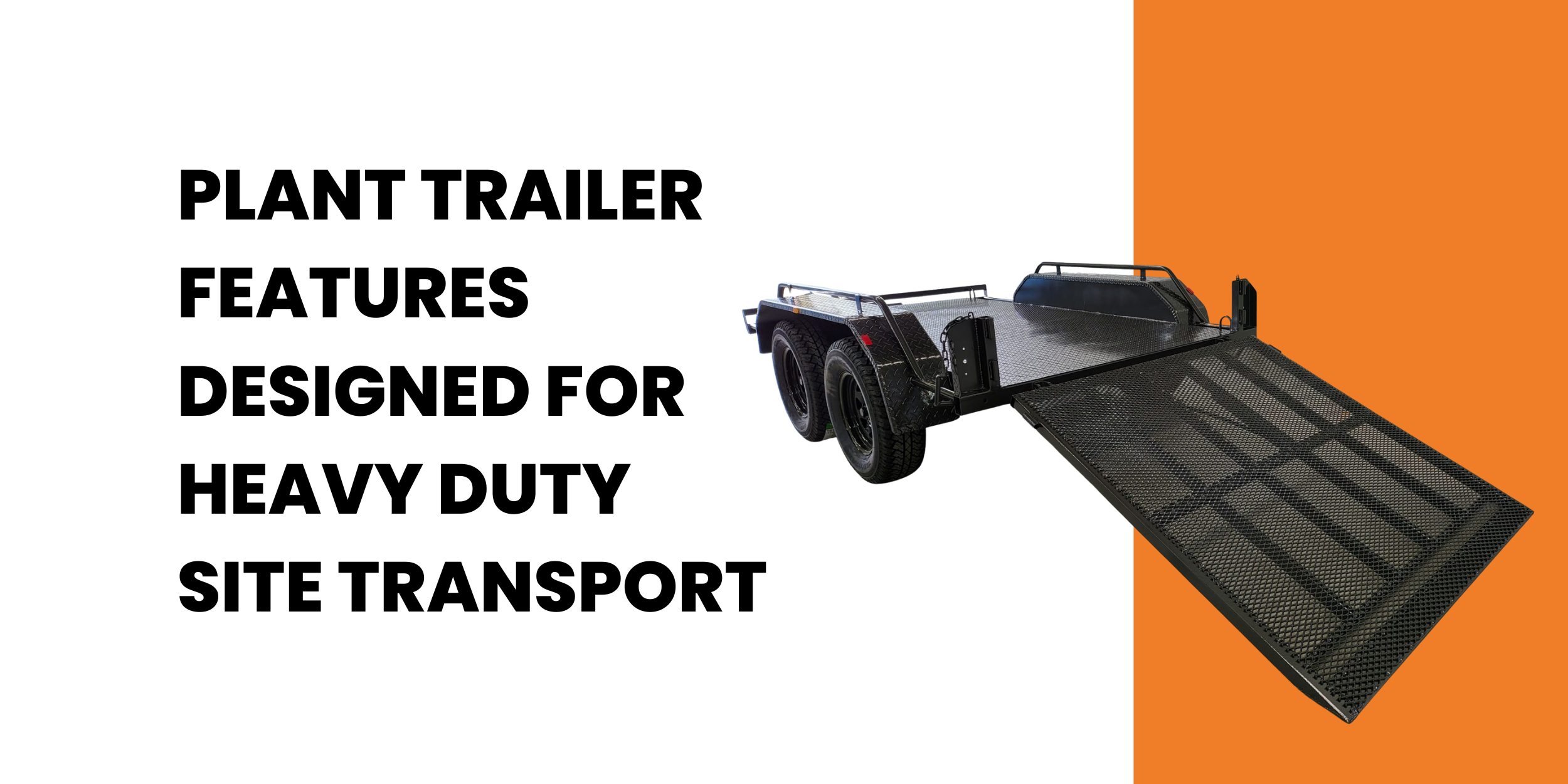
When it comes to transporting heavy machinery and equipment, plant trailers are the backbone of many industries. Whether you are a construction manager, landscaper, or mining operator, plant trailers offer the reliability, capacity, and durability required for transporting everything from small excavators to large bulldozers. In Australia, businesses across Melbourne and major industrial regions rely on heavy-duty plant trailers to keep operations efficient and on schedule.
In this blog, we will explore the essential features of plant trailers for sale, specifically focusing on trailers such as the 3.5t plant trailer, 2t plant trailer, 6t plant trailer, and larger models like the 8-tonne plant trailer for sale and 9-tonne plant trailer for sale. These features are designed to ensure safe and efficient transport for heavy-duty machinery, even in the most challenging environments.
Quick Overview: Heavy-Duty Plant Trailer Features
• Built to transport excavators, loaders, and heavy machinery
• Reinforced steel frames for high payload stability
• Low loading angles for safer machine access
• Heavy-duty suspension for rough site conditions
• Compliant braking and load restraint systems
What Is a Plant Trailer?
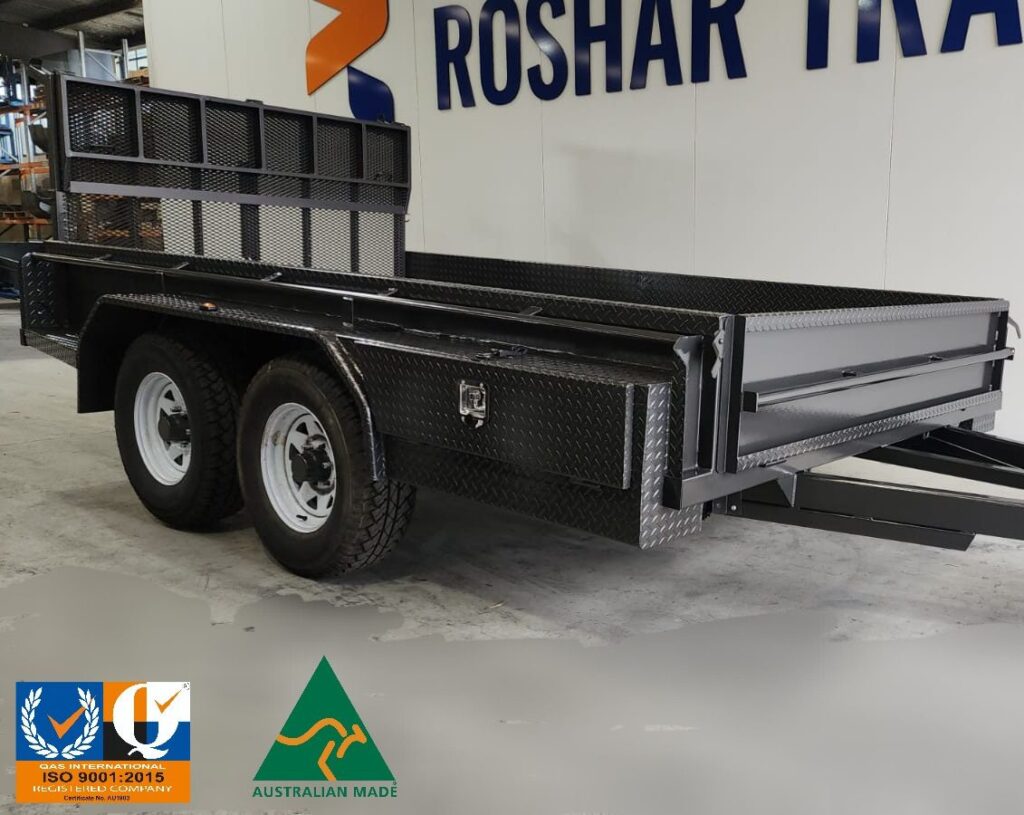
A plant trailer is a heavy-duty transport trailer specifically designed to carry construction and industrial machinery, using reinforced frames, strong suspension systems, and low-loading designs to safely move excavators, loaders, and earthmoving equipment across demanding Australian job sites.
A plant trailer is a specialized type of trailer designed specifically to transport heavy equipment and machinery. Unlike standard utility trailers, plant trailers are built to withstand the weight and stresses associated with hauling construction or industrial machinery, such as excavators, forklifts, backhoes, and skid steer loaders.
These trailers come in various weight capacities, ranging from lighter-duty models like the 2t plant trailer to heavier-duty options like the 9-tonne plant trailer for sale. Regardless of the model, plant trailers typically feature reinforced construction, strong suspension systems, and a low-profile design to make loading and unloading easier.
Quick Plant Trailer Selection Guide for Common Machinery
The table below helps match common machinery types to the correct plant trailer capacity, ensuring safe transport and regulatory compliance.
| Machine Type | Weight Class | Recommended Trailer | Key Requirement |
| Mini Excavator (e.g., Kubota U17) | 1.7t – 2.0t | 3.5t Plant Trailer | Electric Breakaway System |
| Skid Steer (Bobcat / Posi-Track) | 2.5t – 4.0t | 6t Plant Trailer | Air or Hydraulic Brakes |
| Mid-Size Excavator / Roller | 5.0t – 8.0t | 9-Tonne Plant Trailer | Heavy Duty Ramps |
Key Features of Heavy-Duty Plant Trailers
1. Robust Construction for High Payloads
One of the most important features of a heavy-duty plant trailer is its robust construction. These trailers are built with reinforced steel frames that can withstand the heavy loads of construction machinery without compromising on safety or structural integrity.
For example, the 6t plant trailer is designed to handle medium-sized machinery, while the 9-tonne plant trailer for sale offers even greater strength to support large equipment like bulldozers, large excavators, and other heavy machinery.
These durable trailers are engineered to meet the demanding requirements of construction sites, mining operations, and landscaping projects. Whether you’re moving machinery across Melbourne’s busy urban construction sites or hauling equipment to regional and outer-suburban locations across Victoria, a 3.5t plant trailer or 8-tonne plant trailer for sale provides the necessary strength for safe and reliable transport.
2. Low-Profile Design for Easy Loading and Unloading
Plant trailers feature a low-profile design, making them easier to load and unload. This is crucial for the safe transport of heavy equipment, especially when dealing with machines that have low ground clearance.
Trailers like the 2t plant trailer and 3.5t plant trailer often include a beaver-tail or tilt bed design. This helps reduce the loading angle, allowing heavy machinery to be driven onto the trailer with minimal risk of bottoming out or causing damage to the machinery. The tilt functionality is especially beneficial when working with large, heavy equipment, as it provides a gentle slope that ensures smooth transitions onto the trailer bed.
3. Strong Suspension Systems
Heavy-duty plant trailers are equipped with suspension systems designed to handle large and heavy loads. The suspension system in a 6t plant trailer or 9-tonne plant trailer for sale is crucial for maintaining stability during transport, especially when navigating uneven terrain or rough roads.
For example, leaf spring suspension is commonly used in plant trailers for its ability to absorb shocks and reduce vibrations. This suspension helps protect both the load being transported and the trailer itself, ensuring a smoother ride and minimising wear and tear on the machinery.
Additionally, high-quality suspension systems provide better towing stability and control, allowing you to safely haul heavy machinery across both urban and regional environments, from high-traffic industrial zones around Melbourne to rugged roads across regional Victoria.
4. Heavy-Duty Tie-Down Points for Secure Load Restraint
Securing heavy machinery during transport is vital for both safety and legal compliance. Plant trailers are designed with heavy-duty tie-down points strategically placed around the bed of the trailer to ensure that machinery stays securely in place while being towed.
Whether you’re using a 3.5t plant trailer for smaller equipment or a 9-tonne plant trailer for sale for larger machines, the tie-down points allow you to securely fasten your load with the appropriate restraints. This minimizes the risk of the equipment shifting during transit, preventing potential damage or accidents.
To make securing the load even easier, some models come with ratchet straps, winches, and chains that make it quicker to secure machines. These are essential features for ensuring that the trailer meets Australian Road Safety Regulations and other compliance standards.
5. Durable, Weather-Resistant Construction
Australian conditions can be tough on trailers, particularly in industrial and high-use areas around Melbourne, including environments such as Dandenong, Bayswater, and Braeside in Victoria, where frequent use and exposure to moisture and debris accelerate wear. To address these challenges, Roshar Trailers uses high-quality corrosion-resistant steel in the construction of its plant trailers, ensuring the trailer frame remains structurally sound and durable over time.
Protective steel treatments and engineered finishes help shield the trailer from moisture and environmental exposure, significantly extending service life. Whether operating a 2t plant trailer for urban landscaping projects or a heavy-duty 8-tonne plant trailer for sale for mining and earthmoving applications, these trailers are designed to withstand the demands of daily use in tough Australian environments.
ATM vs. GTM
Aggregate Trailer Mass (ATM) refers to the combined weight of the trailer and its load. This is different from the Gross Trailer Mass (GTM), which excludes the trailer’s drawbar weight. Understanding these terms is crucial for ensuring that your trailer complies with weight distribution regulations, especially when towing large machinery.
Braking Standards
Trailers over 3,500kg require compliance with ADR 38 (Australian Design Rules), meaning they must feature air-over-hydraulic braking systems or similar heavy-duty braking systems for enhanced safety when towing large, heavy loads.
Load Restraint
Ensuring proper load restraint is a must. Refer to the National Transport Commission (NTC) Load Restraint Guide to understand how to properly secure machinery during transport. This guide outlines the best practices for load restraint, ensuring safety and legal compliance across Australia.
Understanding trailer weight limits is critical for legal towing, braking compliance, and long-term safety.
Choosing the Right Plant Trailer for Your Needs
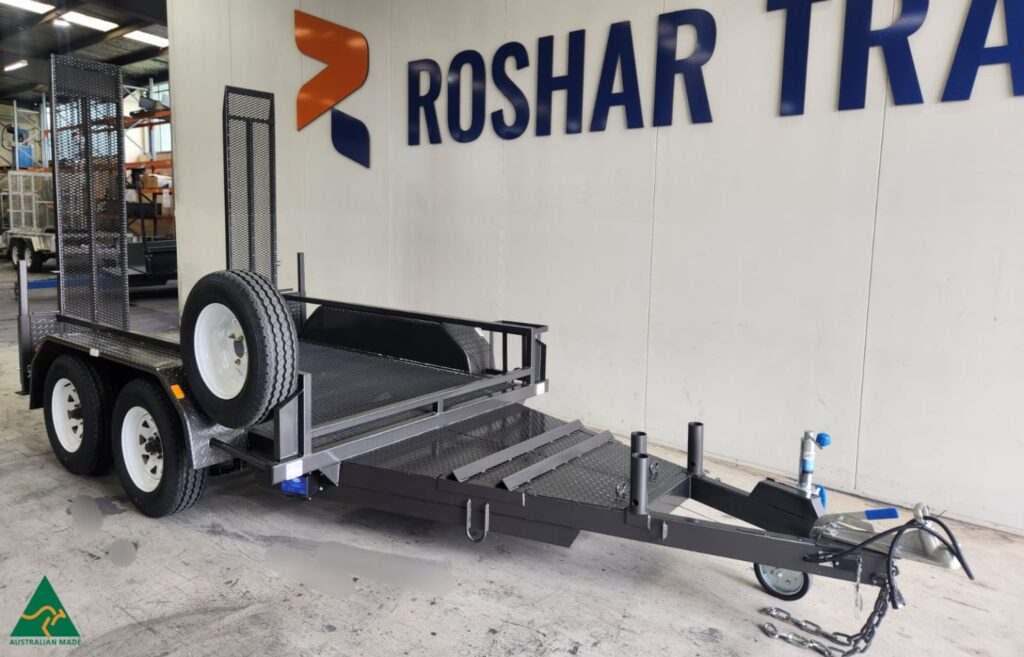
When selecting a plant trailer, it’s essential to consider the size and weight of the machinery you’ll be transporting. Here’s a quick guide to help you choose the right trailer for your business:
- 2t Plant Trailer: Ideal for light equipment like small excavators, ride-on mowers, or compact loaders. Perfect for smaller projects in urban environments.
- 3.5t Plant Trailer: Suitable for mid-sized machinery like compact tractors or mini-diggers. A great choice for landscapers and builders working on moderate-sized projects.
- 6t Plant Trailer: A heavier-duty option for larger machinery like skid steer loaders and smaller excavators. Suitable for a wide range of industries, including construction and landscaping.
- 8-Tonne & 9-Tonne Plant Trailers: Designed for transporting heavy-duty machinery, including large excavators, bulldozers, and other industrial equipment. Ideal for heavy construction, mining, or earthmoving applications.
The right plant trailer for you will depend on your specific needs, the types of machinery you transport, and the typical terrain you encounter on job sites. Not all machinery requires the same trailer setup. Roshar Trailers helps businesses select plant trailers based on machine weight, braking requirements, and site conditions.
Compliance and Safety
All Roshar Trailers are built to comply with Australian safety standards, including VSB1 (Vehicle Standards Bulletin 1) and ADR (Australian Design Rules). This ensures that our plant trailers are safe, durable, and suitable for Australian roads and job sites. By choosing Roshar Trailers, you are not only investing in high-quality equipment but also ensuring that your business meets all necessary compliance regulations.
Conclusion
Plant trailers are indispensable tools for businesses that need to transport heavy equipment. With features like robust construction, low-profile designs, heavy-duty suspension systems, and secure load restraint points, these trailers provide the safety and efficiency required for heavy-duty site transport.
If you’re looking for a plant trailer for sale, whether it’s a 2t plant trailer, 3.5t plant trailer, or larger models like the 6t or 9-tonne plant trailer, Roshar Trailers offers a range of high-quality, durable trailers built for Australian conditions. Contact us today to find the perfect plant trailer to meet your needs and keep your business running smoothly.
Frequently Asked Questions About Plant Trailers
1. What size plant trailer do I need for my excavator?
The right plant trailer depends on the operating weight of your machine. Mini excavators around 1.7-2.0 tonnes typically require a 3.5t plant trailer, while skid steers and larger excavators often need 6t or 9-tonne plant trailers to meet safety and braking requirements.
2. What is the difference between a 3.5t and a 9-tonne plant trailer?
A 3.5t plant trailer is designed for lighter machinery such as mini excavators and compact equipment, while a 9-tonne plant trailer is built for heavy construction machinery like mid-size excavators, rollers, and earthmoving equipment. Higher-capacity trailers feature stronger frames, heavier ramps, and advanced braking systems.
3. Why is a low loading angle important on plant trailers?
A low loading angle prevents machinery from bottoming out when driving onto the trailer. Plant trailers with beaver-tail designs or tilt functionality make loading safer and easier, especially for equipment with low ground clearance such as rollers or electric machinery.
4. Are plant trailers required to meet Australian safety standards?
Yes. Plant trailers must comply with Australian regulations including VSB1, ADR braking standards, and national load restraint guidelines. Using a compliant trailer ensures legal operation, safer transport, and protection for both machinery and road users.