
37 Malcolm RD, Braeside, VIC

Key Structural Features to Check Before Buying a Tiny Home Trailer
16 February 2026 | roshartrailers
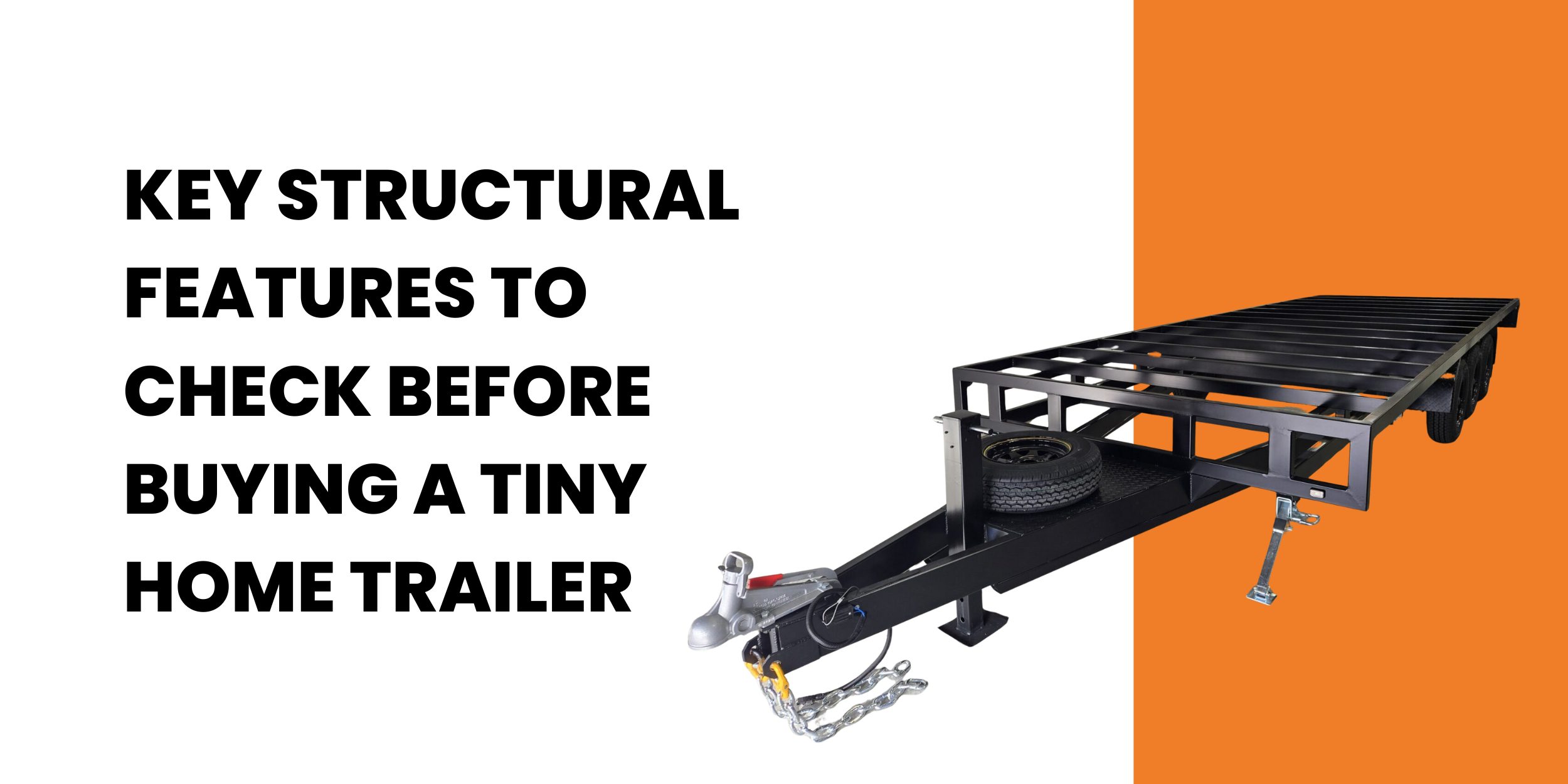
The popularity of tiny homes continues to rise across Australia, driven by affordability, flexibility, and the desire for a simpler lifestyle. As interest grows in tiny home trailers for sale, buyers are becoming more aware that the trailer is not just a base, it is the foundation of the entire home. A poorly designed trailer can compromise safety, comfort, and long-term durability, regardless of how well the tiny home itself is built.
As demand for tiny home trailers for sale continues to rise, buyers are increasingly recognising that a tiny home trailer is not just a transport base, but the structural foundation that determines safety, compliance, and long-term performance.
From regional and rural areas to urban centres around Melbourne and surrounding industrial regions such as Dandenong, choosing the right tiny home trailer requires careful evaluation of structural features. This guide explains the most important design elements to check before purchasing a trailer for a tiny home, helping buyers make informed, future-ready decisions.
Quick Checklist Before Buying a Tiny Home Trailer
• Steel chassis with close cross-member spacing
• ATM with a safe buffer above total tiny home weight
• Tandem or tri-axle configuration for stability
• ADR and VSB1 compliance for Australian roads
• Low deck height for improved internal livability
Why the Trailer Matters in a Tiny Home Build
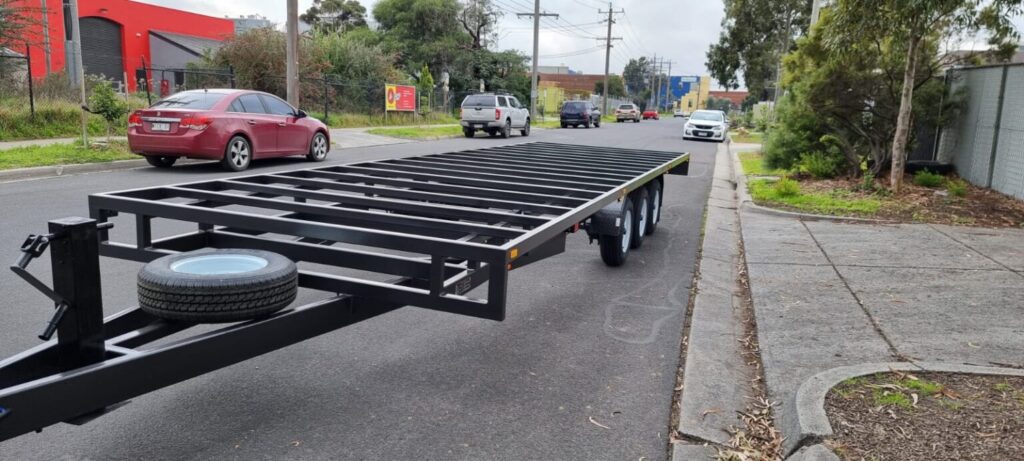
The trailer matters because it carries constant structural load and determines the tiny home’s stability, compliance, and long-term durability.
A tiny home trailer supports the full weight of the structure, appliances, water tanks, and occupants. Unlike general-purpose trailers, tiny homes on trailers are subject to constant static load and, in some cases, road transport stresses.
In Australia, where climate conditions and road standards vary widely, the quality of the trailer directly affects compliance, safety, and longevity. Buyers searching for the best tiny home trailer should focus on engineering quality rather than appearance alone.
What Makes a Chassis Suitable for a Tiny Home Trailer?
A tiny home trailer chassis must be engineered to support constant static loads, resist torsional movement, and remain structurally stable over many years. Steel chassis construction with reinforced cross-members is essential to prevent flexing, floor movement, and long-term structural fatigue.
Steel Chassis Construction
The chassis is the backbone of any tiny home trailer. High-quality tiny home trailers Australia wide are built using reinforced steel frames designed to resist flexing under continuous load.
Steel construction provides:
- High load-bearing capacity
- Resistance to torsional stress
- Long-term structural stability
A rigid steel chassis prevents movement in the home, reducing cracking in walls, floors, and fittings over time.
Cross-Member Spacing and Support
Even spacing of cross-members across the trailer deck is critical. Close-set steel cross-members distribute weight evenly, supporting flooring systems and preventing sagging.
Poor spacing can lead to:
- Uneven floors
- Structural stress points
- Reduced lifespan of the tiny home
Well-designed trailers ensure consistent support across the entire footprint of the home.
Load Rating and Weight Capacity
Load rating determines whether a tiny home trailer can legally and safely support the total static and transport weight of the home over its lifespan.
Understanding ATM and Payload Requirements
Before purchasing a tiny home trailer, it is essential to understand weight ratings. The Aggregate Trailer Mass (ATM) must comfortably exceed the combined weight of:
- The tiny home structure
- Appliances and fittings
- Water tanks and batteries
- Furniture and personal items
Choosing a trailer with minimal safety margin can result in compliance issues and reduced towing stability.
Designing for Static and Dynamic Loads
Tiny homes place constant static load on the trailer, unlike standard cargo trailers. If the home is moved, dynamic loads from braking and road conditions add further stress.
The best trailers for tiny homes are designed to handle both static and transport loads without compromising frame integrity.
Axle Configuration and Suspension
Axle configuration directly affects stability, weight distribution, braking performance, and long-term stress on trailer components.
Single Axle vs Multi-Axle Setups
Axle configuration plays a major role in stability and load management. Most tiny home trailers use tandem or tri-axle configurations to distribute weight more effectively.
Multi-axle designs offer:
- Improved towing stability
- Reduced stress on individual components
- Better handling on Australian roads
Single axle trailers are rarely suitable for full-size tiny homes.
How Many Axles Does a Tiny Home Trailer Need?
The table below compares axle configurations to help determine the correct setup based on tiny home size, weight, and stability requirements.
| Feature | Single Axle | Tandem Axle | Tri-Axle |
| Typical Weight Limit | Under 2.5 tonnes | Up to 4.5 tonnes | 4.5 tonnes + |
| Best Use Case | Small pods or studios | Standard 6-8 m tiny homes | Large or luxury builds |
| Stability | Moderate | High | Maximum |
| Road Compliance | Limited | Common | Preferred for heavy builds |
Suspension Quality and Ride Control
Quality suspension protects both the trailer and the tiny home structure during transport. Steel leaf spring systems are commonly used for their durability and load-handling capability.
Good suspension design reduces vibration, protecting interior finishes and extending the lifespan of the home.
Deck Height and Floor Integration
Deck height influences internal livability, ceiling clearance, step access, and compliance with overall height limits.
Low Deck Height for Livability
Deck height affects interior ceiling clearance and step access. A lower deck height allows for:
- Greater internal headroom
- Easier entry and exit
- Better compliance with height restrictions
Trailer designs should balance clearance with structural strength to maximise livability.
Integrated Flooring Support
Tiny home trailers should be designed to integrate seamlessly with flooring systems. Steel deck frames that support insulation, plumbing, and electrical runs simplify construction and improve energy efficiency.
Hitch Design and Towing Safety
The drawbar connects the trailer to the towing vehicle and must handle significant forces during transport. Reinforced steel drawbars improve towing control and reduce fatigue over time.
A well-designed hitch assembly contributes to safer highway travel, especially when moving tiny homes between metropolitan Melbourne, surrounding industrial areas, and regional locations across Victoria.
Braking and Control Systems
Depending on trailer weight, appropriate braking systems are required for compliance and safety. Proper braking design improves stopping distance and control, particularly on long-distance routes or steep gradients.
Compliance with Australian Standards
Compliance ensures the tiny home trailer can be legally registered, insured, and transported on Australian roads.
Road Legality and Registration
Tiny home trailers must comply with Australian regulations to be legally registered and transported. Compliance considerations include:
- Structural strength
- Weight ratings
- Braking systems
- Load distribution
Trailers built to meet these requirements simplify registration through VicRoads and support road-legal operation across Melbourne, surrounding industrial areas such as Dandenong, Bayswater, and Braeside, as well as regional locations throughout Victoria.
Long-Term Legal and Insurance Considerations
A compliant trailer supports easier insurance coverage and resale value. Buyers should ensure the trailer design aligns with Australian standards from the outset to avoid costly modifications later.
From the Workshop: Real-World Tiny Home Trailer Design
In practical tiny home builds, the most common long-term issue we see is floor movement caused by insufficient chassis reinforcement. Steel trailers designed specifically for residential loading perform significantly better over time, especially when homes remain stationary for extended periods.
Adaptability for Different Australian Conditions
Tiny homes are often placed in diverse environments from bushland properties to coastal blocks. Steel-built trailers designed for Australian conditions handle:
- Heat exposure
- Moisture and humidity
- Long-term outdoor placement
This adaptability ensures reliable performance regardless of location.
Who Should Invest in a Purpose-Built Tiny Home Trailer
- Owner-builders planning permanent placement
- Buyers who want future mobility or resale value
- Councils or developers using relocatable dwellings
Common Mistakes to Avoid When Choosing a Tiny Home Trailer
Many buyers focus on price or size alone. Common mistakes include:
- Selecting a trailer with insufficient weight capacity
- Overlooking chassis reinforcement
- Ignoring suspension quality
- Choosing designs not suited to Australian compliance
Avoiding these pitfalls leads to safer, longer-lasting tiny homes.
Conclusion
Choosing the right trailer is one of the most important decisions in a tiny home build.
Structural features such as steel chassis design, axle configuration, load capacity, and compliance directly determine safety, durability, and long-term performance.
For buyers exploring tiny home trailers for sale, engineering quality and compliance should always outweigh upfront price considerations.
A well-designed trailer provides a strong foundation for years of comfortable, reliable living.
Tiny home trailers built using Australian engineering principles offer greater structural reliability, smoother registration, and long-term confidence.
For those seeking dependable, purpose-built solutions, Roshar Trailers designs tiny home trailers with structural integrity, compliance, and real-world Australian conditions in mind, supporting safe and durable tiny home builds across Melbourne and surrounding industrial regions in Victoria.
FAQs
Q1. What is the most important feature in a tiny home trailer?
A: Steel chassis strength and correct weight rating are the most critical features for safety and longevity.
Q2. Can any trailer be used for a tiny home?
A: No. Tiny homes require purpose-built trailers designed for constant static load and Australian road compliance.
Q3. How many axles does a tiny home trailer need?
A: Most full-size tiny homes require tandem or tri-axle trailers for stability and legal weight distribution.
Q4. Do tiny home trailers need ADR compliance in Australia?
A: Yes. ADR and VSB1 compliance is required for legal transport and registration.