
37 Malcolm RD, Braeside, VIC
How to Strap a Vehicle Correctly on a Car Trailer for Safe Transport
22 May 2026 | roshartrailers
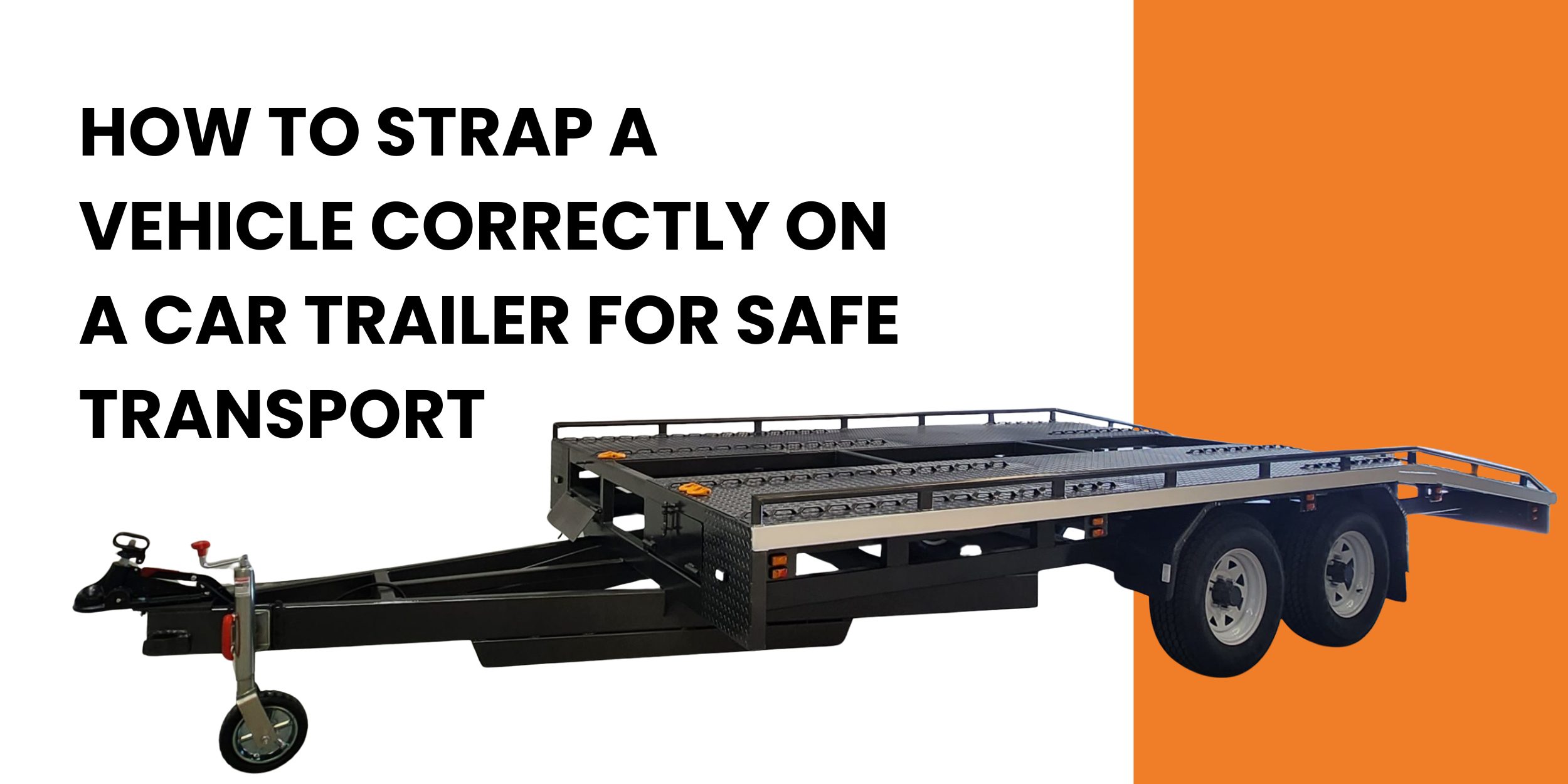
Improperly securing a vehicle on a car trailer can lead to shifting loads, vehicle damage, trailer instability, and dangerous driving conditions. Correct strapping helps keep the vehicle stable, balanced, and secure throughout the journey.
Whether you are moving a car for repairs, transporting a vehicle for business, or using a vehicle trailer for personal needs, learning the right strapping method is essential. A safe setup protects your vehicle, your trailer, and other road users.
This guide explains how to strap a vehicle correctly on a car transport trailer, what equipment to use, and which common mistakes to avoid.
Quick Checklist Before Strapping a Vehicle
Before you start, check the basics:
- Is the trailer parked on level ground?
- Are the tie-down points in good condition?
- Are the straps rated for the vehicle weight?
- Is the vehicle positioned correctly on the trailer?
- Are the trailer tyres, lights, and coupling checked?
- Is the handbrake working properly?
This quick check can help prevent problems before the trip begins.
Why Proper Strapping Is Important
Correct strapping is not just about keeping the vehicle still. It also helps maintain towing balance and control.
Key Reasons Proper Strapping Matters
- Prevents the vehicle from moving during transport
- Reduces risk of vehicle or trailer damage
- Improves towing stability
- Helps maintain weight balance
- Reduces risk of accidents
- Supports safer braking and cornering
Even if you choose a quality car trailer for sale, unsafe strapping can still create serious risks.
What You Need Before Strapping a Vehicle
Using the right equipment makes the process safer and easier.
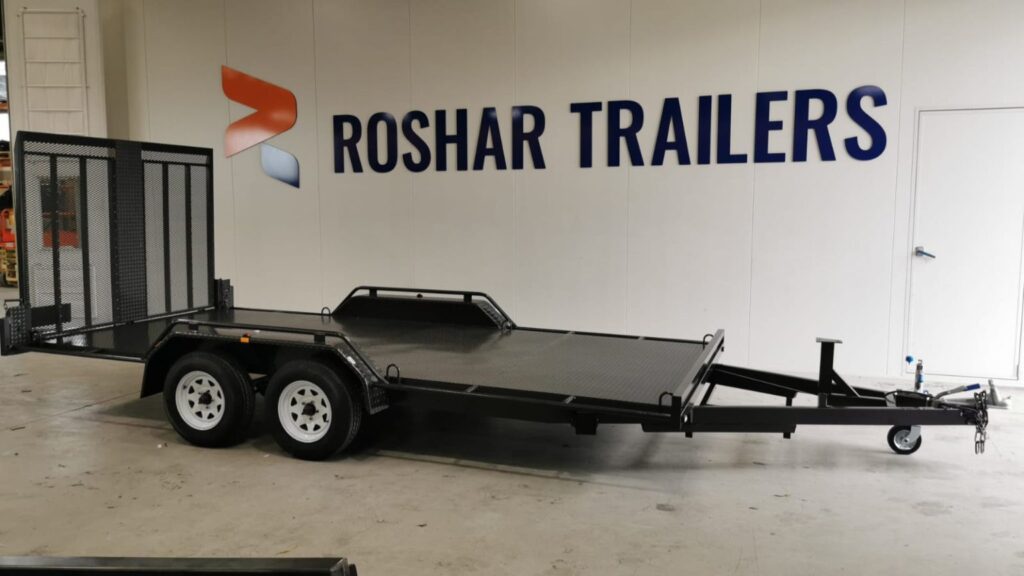
Essential Equipment
- Rated ratchet straps or wheel straps
- Strong tie-down points on the trailer
- Wheel chocks for extra stability
- Gloves for handling straps
- A winch for non-running vehicles
- Edge protectors if straps contact sharp areas
Always use straps that are suitable for the weight of the vehicle. Avoid old, frayed, or damaged straps because they may fail under pressure.
Types of Straps Used for Car Trailers
Different strap types suit different trailer setups. Choosing the right one helps secure the vehicle properly.
Wheel Straps
Wheel straps wrap around the tyres and secure the vehicle by holding the wheels in place. They are commonly recommended because they allow the vehicle suspension to move naturally during transport.
Axle Straps
Axle straps attach around the axle or strong underbody points. They can be useful when wheel access is limited, but care must be taken to avoid damaging components.
Over-the-Tyre Straps
Over-the-tyre straps sit over the tyre and connect to trailer anchor points. They provide strong wheel-based restraint and are useful for many car transport trailer setups.
Step-by-Step Guide to Strapping a Vehicle
Follow these steps carefully when securing a vehicle on a car trailer.
Step 1: Position the Vehicle Correctly
Drive or winch the vehicle onto the trailer slowly. Make sure it sits straight and centred.
Check that:
- The vehicle is centred on the trailer
- Weight is evenly distributed
- The engine side is slightly forward of the trailer axle area
- The vehicle does not exceed trailer limits
- There is enough space for straps and ramps
Correct positioning improves balance and helps reduce trailer sway.
Step 2: Engage the Handbrake and Park Gear
Once the vehicle is positioned:
- Put an automatic vehicle in park
- Put a manual vehicle in gear
- Engage the handbrake
- Turn off the engine
- Remove the key before strapping
This helps keep the vehicle still while you attach the straps.
Step 3: Attach the Front Straps
Start by securing the front wheels or approved front anchor points.
Make sure:
- Straps are attached to strong trailer tie-down points
- Hooks are fully seated
- Straps are not twisted
- Ratchets are placed where they can be tightened safely
- Both sides have even tension
Front straps help prevent the vehicle from moving backward during towing.
Step 4: Secure the Rear Straps
Next, secure the rear wheels or rear approved anchor points.
Check that:
- Rear straps connect to strong tie-down points
- Straps pull evenly from both sides
- The vehicle remains centred
- Straps are clear of sharp edges
- Ratchets are locked after tightening
Rear straps help prevent forward movement during braking.
Step 5: Tighten and Check Strap Tension
After all straps are connected, tighten them carefully.
A good strap setup should be firm with no slack. However, avoid over-tightening, especially if using axle or frame straps, as this may put stress on suspension or components.
Check:
- No strap is loose
- Tension is even on both sides
- Ratchets are fully locked
- Hooks are secure
- Straps do not rub against sharp edges
Step 6: Double-Check Before Driving
Before moving, walk around the full trailer and inspect everything.
Confirm:
- All four corners are secured
- Straps are tight and straight
- Ratchets are locked
- Ramps are secured
- Lights and indicators work
- Coupling and safety chains are connected
- Tyres are properly inflated
This final check is one of the simplest ways to prevent towing problems.
Why Strap Angles Matter
Strap angle plays a big role in stability. Straps should generally pull downward and outward from the vehicle to the trailer.
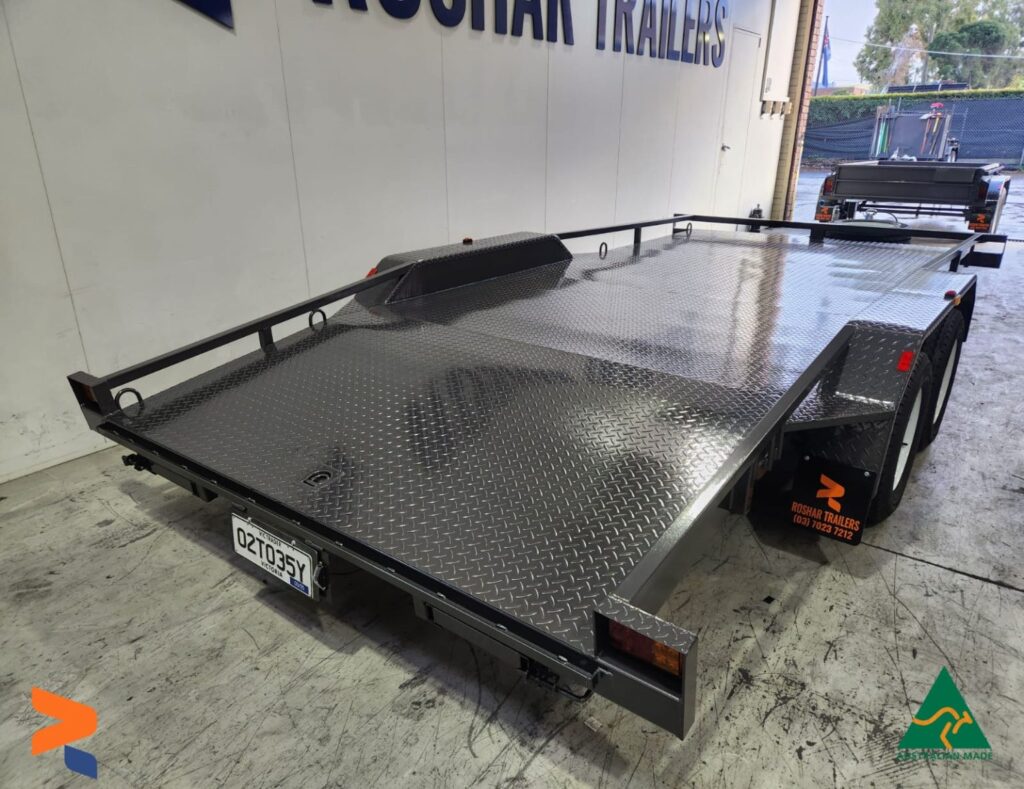
Good Strap Angles Help To
- Reduce side-to-side movement
- Improve grip and holding strength
- Keep the vehicle centred
- Support better restraint during braking
- Reduce shifting on rough roads
Avoid attaching straps in a straight vertical line if it does not control sideways movement. A balanced angle gives better overall security.
Best Practices for Safe Vehicle Transport
Proper strapping is only one part of safe towing. Driving style and regular checks also matter.
Important Safety Tips
- Recheck straps after 10–15 minutes of driving
- Check again during long trips
- Avoid sudden braking
- Avoid sudden lane changes
- Drive at controlled speeds
- Allow extra braking distance
- Watch for trailer sway
- Follow trailer weight limits
For best practices, you can also refer to official Australian transport and load restraint guidelines.
Common Mistakes to Avoid
Many vehicle transport problems come from simple mistakes.
Avoid These Errors
- Using worn or low-quality straps
- Securing only two points instead of four
- Leaving straps twisted
- Uneven strap tension
- Not checking straps during travel
- Overloading the trailer
- Placing the vehicle too far forward or backward
- Using weak or unsuitable anchor points
- Forgetting to secure ramps
Avoiding these mistakes helps make every trip safer.
How to Prevent Vehicle Movement During Transport
Even a small amount of vehicle movement can affect towing control. Good preparation reduces this risk.
Prevention Tips
- Use wheel straps where possible
- Secure all four wheels
- Keep straps angled downward and outward
- Balance the vehicle correctly on the trailer
- Use wheel chocks for extra support
- Recheck straps after the first few kilometres
- Avoid rough driving movements
These steps help keep the vehicle stable on the vehicle trailer.
When to Use Additional Safety Measures
Some transport situations need extra care.
Use additional safety steps when:
- Transporting high-value vehicles
- Driving long distances
- Travelling on rough roads
- Carrying heavier vehicles
- Moving non-running vehicles
- Towing in wet or windy conditions
Extra straps, chocks, or a winch safety line may provide additional support when conditions are more demanding.
Real Use Case Example
A car dealer transporting multiple vehicles each week may use four-point wheel straps for speed, consistency, and safety. This setup allows quick loading while keeping every vehicle properly restrained.
A private user moving a car occasionally may use a standard car transport trailer with rated ratchet straps and extra checks during the trip. In both cases, the key is using the correct equipment and checking the setup before driving.
Why Proper Strapping Improves Trailer Performance
Correct strapping does more than protect the vehicle. It also helps the trailer perform better during transport.
Performance Benefits
- Improves trailer balance
- Reduces tyre stress
- Supports smoother braking
- Helps prevent trailer sway
- Reduces suspension strain
- Provides a more controlled towing experience
This is especially important for anyone comparing a car trailer for sale for regular transport work.
Conclusion
Strapping a vehicle correctly on a car trailer is essential for safe and reliable transport. The right method helps prevent movement, protects the vehicle, and improves towing stability.
By positioning the vehicle correctly, using rated straps, securing all four corners, checking strap angles, and rechecking during travel, you can transport vehicles with greater confidence.
Whether you use a vehicle trailer occasionally or a car transport trailer for business, safe strapping should always be part of your transport routine.
Looking for a reliable car trailer for safe vehicle transport?
Explore different car trailer for sale options from Roshar Trailers and compare features, sizes, and safety setups to find a practical solution.
Frequently Asked Questions
1. How many straps should I use on a car trailer?
Use at least four straps, ideally one for each wheel or secure corner. Four-point restraint provides better stability than using only two straps.
2. Are wheel straps better than axle straps?
Wheel straps are often preferred because they secure the tyres and allow the vehicle suspension to move naturally during transport.
3. Should I recheck straps during transport?
Yes. Recheck straps after 10–15 minutes of driving and again during longer trips.
4. Can I use ropes instead of straps?
No. Rated straps are designed for load restraint and are much safer than standard ropes.
5. How tight should the straps be?
Straps should be firm with no slack. They should not be so tight that they damage tyres, suspension, or vehicle parts.
6. What happens if a vehicle is not strapped correctly?
The vehicle can shift, causing damage, trailer instability, loss of control, or road safety risks.
7. Can I strap a vehicle without wheel straps?
Yes, but wheel straps are recommended because they provide better stability and reduce stress on the vehicle’s suspension.