
37 Malcolm RD, Braeside, VIC
How Flat Top Trailers Improve Loading Efficiency on Busy Job Sites
29 May 2026 | roshartrailers
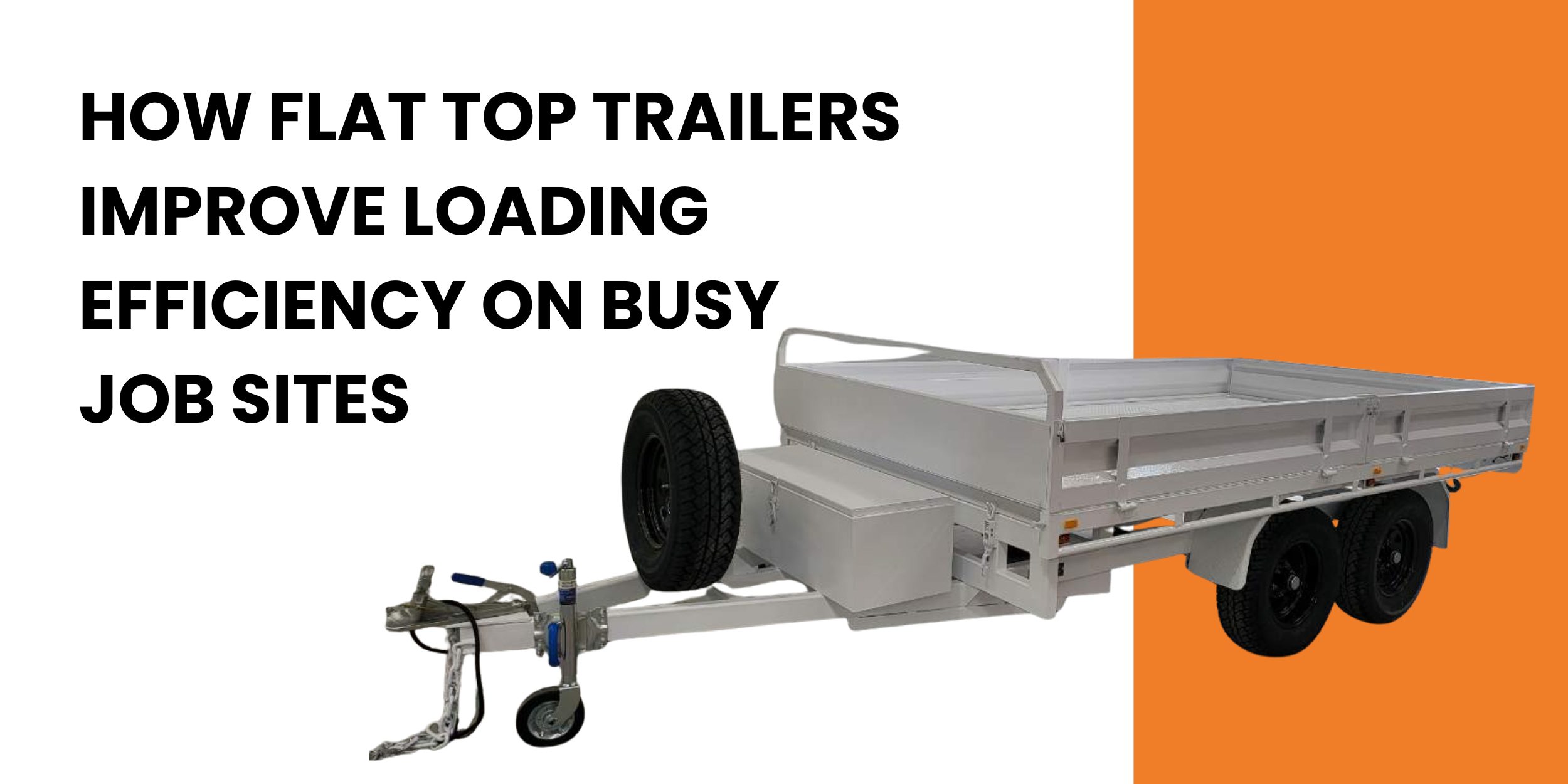
Slow loading, restricted access, and excessive manual handling can significantly reduce productivity on busy job sites. When materials are difficult to move or require constant repositioning, delays quickly build up and affect the entire workflow.
A flat top trailer helps solve these challenges by offering an open, level platform that allows faster and more flexible loading from all sides. Whether using forklifts, cranes, or manual labour, this type of trailer removes many of the limitations found in traditional designs.
In this guide, we’ll explore how flat top trailers improve loading efficiency, when they are most useful, and how to get the best performance from them on demanding job sites.
When Should You Use a Flat Top Trailer
A flat top trailer is not always necessary, but it becomes highly valuable in situations where speed, flexibility, and accessibility are important.
You Should Consider One When:
- Handling oversized or long materials
- Using forklifts or cranes for loading
- Working on busy or time-sensitive job sites
- Transporting mixed or irregular loads
- Requiring access from multiple sides
- Moving pallets or bulk goods regularly
If your work involves frequent loading and unloading, a flat top trailer can significantly improve efficiency.
Flat Top vs Box vs Cage Trailer
| Trailer Type | Best For | Key Advantage | Limitation |
| Flat Top Trailer | Oversized & mixed loads | Full access from all sides | Requires proper load securing |
| Box Trailer | Tools & general cargo | Enclosed transport | Limited loading access |
| Cage Trailer | Green waste & bulk light loads | Increased volume | Less suited for heavy machinery |
What Is a Flat Top Trailer
A flat top trailer is a trailer with a flat, open deck and no fixed sides. This design allows materials to be loaded from the front, rear, or either side without obstruction.
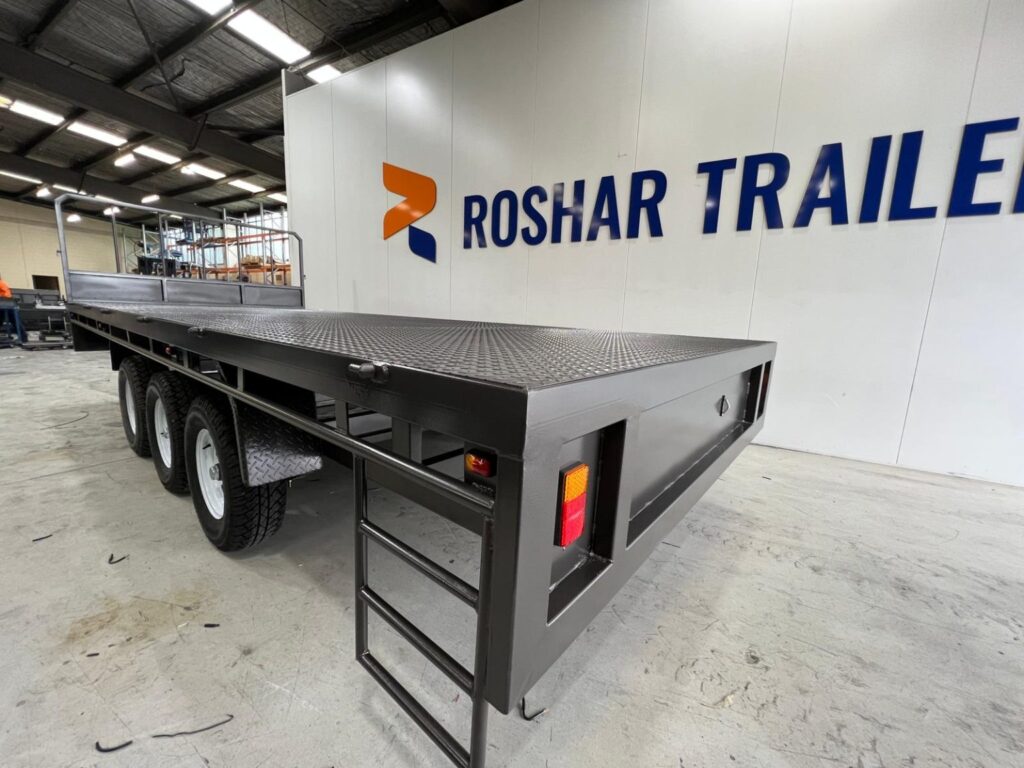
Unlike enclosed trailers, flat top trailers do not restrict height or shape, making them ideal for transporting:
- Machinery and equipment
- Pallets and bulk goods
- Steel beams and timber
- Pipes and long materials
- Irregular or oversized items
Because of this flexibility, they are widely used across construction, logistics, agriculture, and trade industries.
Why Loading Efficiency Matters on Job Sites
On busy job sites, time is closely linked to cost and productivity. Delays in loading and unloading can affect multiple teams and slow down progress.
Common Challenges
- Tight deadlines
- High labour costs
- Frequent transport cycles
- Limited space and access
- Multiple teams working together
Impact of Poor Efficiency
- Increased labour time
- Reduced productivity
- Higher operational costs
- Workflow bottlenecks
- Increased safety risks
Improving loading efficiency helps keep projects on track and reduces unnecessary delays.
How Flat Top Trailers Improve Loading Efficiency
1. Open Access from All Sides
One of the biggest advantages of a flat top trailer is unrestricted access.
Why This Improves Efficiency
- Materials can be loaded from any direction
- No need to reposition the trailer
- Multiple workers can load at once
- Easier handling of large items
This reduces time spent adjusting positioning and speeds up the loading process.
2. Faster Forklift and Crane Loading
Another key advantage is compatibility with heavy equipment.
Flat top trailers allow forklifts and cranes to load materials directly without side barriers getting in the way.
Benefits
- Faster pallet loading
- Reduced manual lifting
- Improved precision
- Better handling of heavy goods
This is especially useful on construction sites and in logistics operations where machinery is commonly used.
3. Reduced Manual Handling
Manual handling slows down work and increases the risk of fatigue or injury.
A flat top trailer reduces the need for lifting, carrying, and repositioning materials.
Advantages
- Less physical strain on workers
- Faster loading and unloading
- Lower risk of injury
- Improved overall workflow
By reducing manual effort, job sites can operate more efficiently and safely.
4. Easy Handling of Oversized Loads
In addition to efficiency, flat top trailers allow easy transport of oversized materials.
Examples of Oversized Loads
- Steel beams
- Timber and long planks
- Pipes and structural components
- Machinery and equipment
With no side restrictions, these items can be loaded quickly without needing adjustments or cutting.
5. Improved Workflow on Multi-Task Sites
Busy job sites often involve multiple teams working at the same time.
Flat top trailers help improve coordination by allowing faster material movement.
Workflow Benefits
- Faster transfer between work areas
- Reduced waiting time for equipment
- Better coordination between teams
- Continuous workflow without delays
This keeps operations running smoothly.
6. Quicker Loading and Unloading Cycles
Time saved during loading leads to more efficient daily operations.
Efficiency Gains
- Faster turnaround times
- More trips completed per day
- Reduced downtime
- Increased productivity
This is especially important for businesses handling frequent transport tasks.
7. Flexible Loading Methods
A flat top trailer supports multiple loading techniques.
Common Methods
- Forklift loading
- Crane lifting
- Manual loading
- Side loading
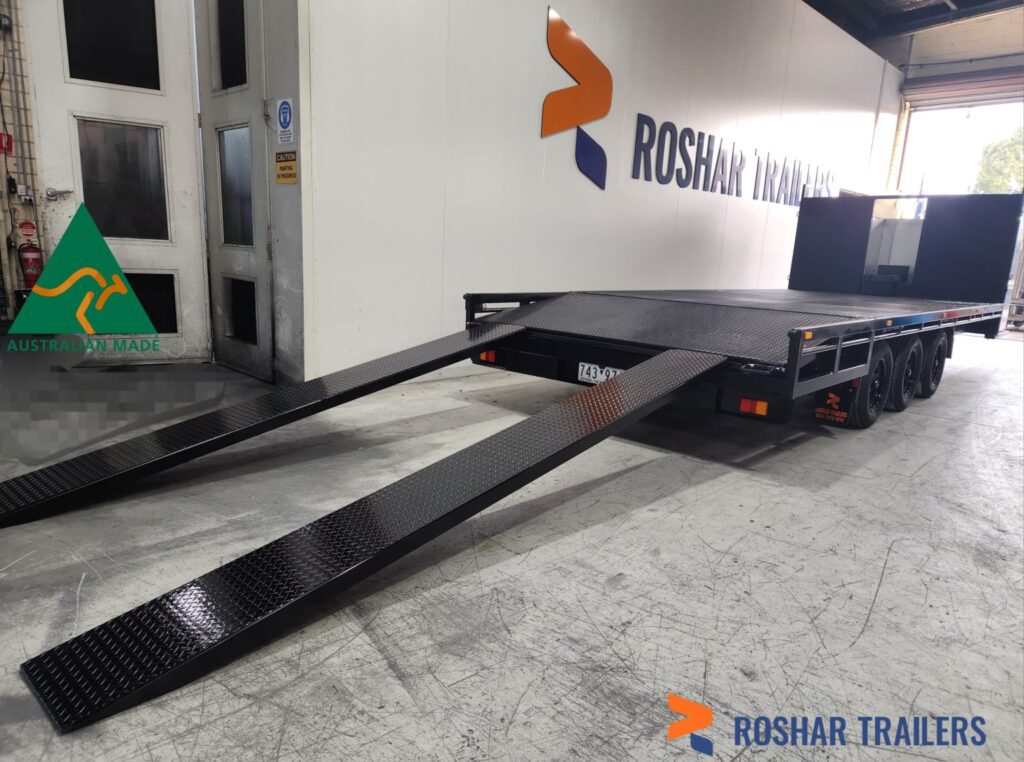
- Rear loading
This flexibility allows workers to choose the fastest and safest method based on the situation.
Real Use Case Example
A construction company transporting steel beams and pallets daily can use a flat top trailer to allow forklifts to load from the side quickly and efficiently.
Similarly, a logistics business handling mixed goods benefits from faster loading and fewer delays because the trailer can accommodate different types of loads without adjustment.
These real-world examples highlight how flat top trailers improve efficiency across industries.
Additional Benefits Beyond Efficiency
Versatility
Flat top trailers can be used for a wide range of tasks across different industries.
Cost Efficiency
Faster loading reduces labour time and operational costs.
Better Space Utilisation
The open design allows better use of available space, especially for irregular loads.
Flat Top Trailer Safety Tips
Efficiency should always be balanced with safety.
Best Safety Practices
- Check load balance before moving
- Use proper tie-downs for all loads
- Avoid overloading
- Recheck load after initial movement
- Avoid sudden braking or sharp turns
- Ensure visibility of extended loads
You can also refer to Australian transport guidelines for load securing and trailer safety requirements.
Tips to Maximise Efficiency
Best Practices
- Plan loading order in advance
- Use suitable equipment for heavy loads
- Keep frequently used items accessible
- Train workers on loading techniques
- Maintain your trailer regularly
Small improvements can make a big difference in daily operations.
Common Mistakes to Avoid
Avoid These Errors
- Poor load planning
- Uneven weight distribution
- Overloading the trailer
- Ignoring tie-down points
- Blocking access during loading
Avoiding these mistakes helps maintain smooth and efficient workflows.
Who Benefits Most from Flat Top Trailers
Flat top trailers are ideal for:
- Construction companies
- Logistics and transport businesses
- Farmers and agricultural workers
- Trade professionals
- Equipment hire companies
- Warehouse operations
Anyone needing fast and flexible loading can benefit from this trailer type.
Conclusion
A flat top trailer is a practical solution for improving loading efficiency on busy job sites. Its open design allows faster access, reduces manual handling, and supports multiple loading methods.
By improving workflow, reducing delays, and supporting different load types, flat top trailers help businesses operate more efficiently and safely.
Whether you are in construction, logistics, agriculture, or trade work, choosing the right trailer setup can make a noticeable difference in daily operations.
Looking for a flat top trailer that suits your job site needs?
Explore different options from Roshar Trailers and compare sizes, features, and configurations to find a practical solution for your workload.
Frequently Asked Questions
1. What is a flat top trailer used for?
It is used for transporting oversized, bulky, or mixed loads with easy access from all sides.
2. Why are flat top trailers efficient?
They allow quick loading and unloading without side restrictions.
3. Can forklifts be used with flat top trailers?
Yes, they are ideal for forklift and crane loading.
4. Are flat top trailers suitable for heavy loads?
Yes, if used within their load capacity and properly secured.
5. Do flat top trailers require special loading techniques?
No, they support multiple loading methods.
6. Are flat top trailers safe?
Yes, when loads are secured correctly and safety practices are followed.
7. What size flat top trailer should I choose?
The size depends on your load type, frequency of use, and towing capacity.